Once Upon a Time in the Middle East (2026)
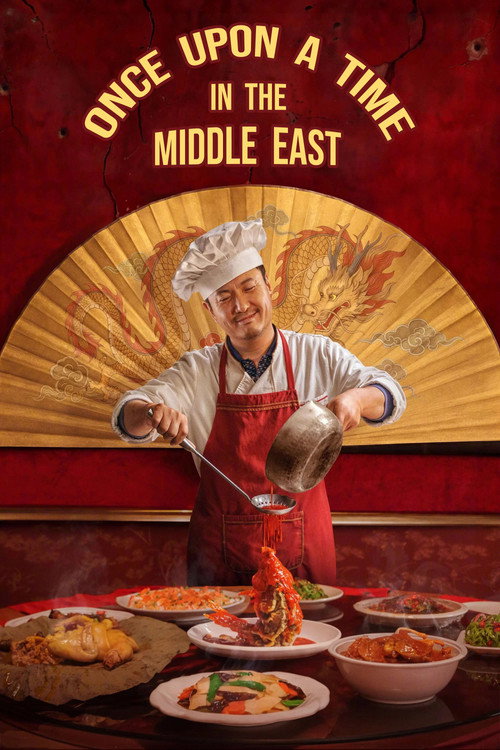
About Once Upon a Time in the Middle East
Xu Fu travels to the Middle East to work as a chef in a Chinese restaurant to pay off family debts, where he meets floor manager Ma Junsheng. Their Dragon Restaurant rises to fame, attracting crowds with authentic‑tasting Chinese food. But war breaks out, and local conditions take a drastic turn for the worse. No one can remain unaffected. What lies ahead for them? And how will the Dragon Restaurant hold on amid the war?
- Type: Movie
- Platform: YouTube
- Release Date:
- Genres: Drama, War
- Language: English
Our Take on Once Upon a Time in the Middle East — A Culinary Haven in Hell
When war descends, even the most vibrant dreams can shatter. This film chronicles an unlikely Chinese restaurant's fight for survival amidst a devastating conflict.
## The Setup
“Once Upon a Time in the Middle East,” a 2026 YouTube release, plunges us into a world that feels both intimately familiar and terrifyingly alien. We meet Xu Fu, a talented chef burdened by family debt, who journeys to a nameless, war-torn Middle Eastern country. His mission: to work at the Dragon Restaurant, a bastion of authentic Chinese cuisine. Here, he encounters Ma Junsheng, the shrewd and pragmatic floor manager, and together they forge an unlikely partnership. Their Dragon Restaurant, initially a humble eatery, quickly becomes a local sensation, drawing crowds with its tantalizing aromas and a brief respite from the burgeoning tensions outside. It’s a place where flavors speak louder than politics, where the simple act of sharing a meal transcends cultural divides. But this fragile peace is short-lived. The encroaching war, initially a distant rumble, soon engulfs their city, tearing apart the fabric of daily life. The film then pivots, exploring how Xu Fu, Ma Junsheng, and their diverse staff navigate the escalating chaos, striving to keep their culinary haven afloat amidst unspeakable hardship. It’s a story less about grand geopolitical statements and more about the micro-level human struggle for survival, dignity, and a semblance of normalcy when everything around you is crumbling.
## What Works
From its opening frames, “Once Upon a Time in the Middle East” establishes a deeply humanistic tone that resonates throughout. The film’s greatest strength lies in its nuanced portrayal of the characters and their relationships, especially the evolving dynamic between Xu Fu and Ma Junsheng. Xu Fu, played with understated intensity, embodies the quiet resilience of someone trying to outrun their past. His culinary passion isn't just a skill; it's a lifeline, a way to connect and create beauty in a world intent on destruction. There's a poignant scene early on where he meticulously crafts a dish, the camera lingering on his hands, a stark contrast to the grainy news reports flickering on a TV in the background. Ma Junsheng, on the other hand, is the pragmatic counterpoint, a man whose every decision is a calculated effort to protect his people and his business. His initial skepticism towards Xu Fu gradually melts into a profound respect, forming the emotional core of the film. Their interactions, often terse and laden with unspoken understanding, are a masterclass in subtle character development. The ensemble cast, featuring a diverse group of local staff and patrons, adds incredible depth. Each minor character, even with limited screen time, feels authentic and lived-in, representing the myriad ways ordinary people cope with extraordinary circumstances. The film excels at depicting the slow, insidious creep of war. It doesn't rely on explosive battle sequences (though there are moments of intense violence); instead, it shows the gradual erosion of daily life: the dwindling supplies, the empty streets, the fear in people’s eyes, the constant hum of distant shelling that becomes a terrifying soundtrack to their existence. The Dragon Restaurant itself becomes a powerful symbol – a sanctuary, a last vestige of culture and community. The scenes inside the restaurant, particularly during the early days, are vibrant and full of life, a stark contrast to the desolate exterior once the war intensifies. The cinematography beautifully captures this duality, using warm, inviting tones inside the restaurant and a colder, grittier palette for the outside world. The film’s pacing, while deliberate, never feels slow; it builds tension organically, allowing the audience to truly feel the weight of the characters' predicament. The moments of quiet despair are just as impactful as the bursts of chaos, highlighting the psychological toll of prolonged conflict. And crucially, the food itself isn't just a prop; it's a character, a language, a memory, and a defiant act of hope.
## What Doesn't
While “Once Upon a Time in the Middle East” excels in its character work and atmospheric tension, it occasionally falters in its broader narrative arc. The film’s commitment to showing the slow burn of war, while effective in conveying its psychological impact, sometimes leads to a lack of clear narrative progression in the middle act. There are stretches where the characters are reacting to events rather than driving them, which can make the story feel a bit aimless for a short period. While the focus on personal stories is admirable, the geopolitical context, while intentionally vague, could have been grounded a little more firmly without sacrificing the intimate feel. We understand *that* there is a war, but the specifics of its origin or the factions involved remain largely unexplored, which, at times, makes the conflict feel somewhat abstract. This can occasionally dilute the impact of certain events, as the audience might struggle to fully grasp the broader implications of what's happening outside the restaurant's walls. Some viewers might also find the ending, while emotionally resonant, to be a touch too ambiguous. While it fits the film’s realistic tone, a slightly more definitive conclusion for some character arcs might have provided a greater sense of closure. Additionally, a few supporting characters, despite their initial promise, don’t receive the full development they deserve, fading into the background as the focus narrows on Xu Fu and Ma Junsheng.
## Who Is This For?
This film is for viewers who appreciate character-driven dramas that explore the human condition under duress. If you enjoy stories that prioritize emotional authenticity over explosive action, and narratives that delve into the quiet resilience of ordinary people, then “Once Upon a Time in the Middle East” will resonate deeply. It's ideal for those who are drawn to films like “Roma” or “Parasite” in their ability to use a specific, contained setting to explore universal themes of class, survival, and community. Watch this if you're in the mood for a thoughtful, poignant experience that will make you reflect on the fragility of peace and the enduring power of human connection. It's a film to be watched in a quiet space, ready to absorb its subtle beauty and profound sadness, perhaps with a warm cup of tea beside you. Expect to feel a range of emotions – from hope and admiration to despair and profound empathy. It’s not a film for light viewing; it demands your attention and rewards it with a rich, impactful story.
## Final Verdict
“Once Upon a Time in the Middle East” is a powerful, understated film that uses the microcosm of a Chinese restaurant to tell a universal story of war’s devastating impact and humanity’s stubborn refusal to break. While it occasionally wavers in its narrative drive, its profound character work, masterful atmospheric tension, and symbolic depth make it an essential watch for anyone seeking a drama that truly lingers. It's a testament to the enduring power of food, culture, and community in the face of unimaginable adversity, and a stark reminder that even in the darkest times, the human spirit can find ways to create, connect, and endure. Go watch it tonight; it’s a quiet triumph that deserves your attention.
— WatchThisFlix Editorial Team
More on WatchThisFlix
WatchThisFlix is a free streaming guide covering new releases on Netflix, Amazon Prime Video, Disney+, Max (HBO), Apple TV+, Hulu, Peacock, Paramount+, and more. We curate weekly picks across English, Hindi, Telugu, Tamil, Malayalam, Korean, Japanese, Spanish, French, and other languages.