Plastic Beauty (2026)
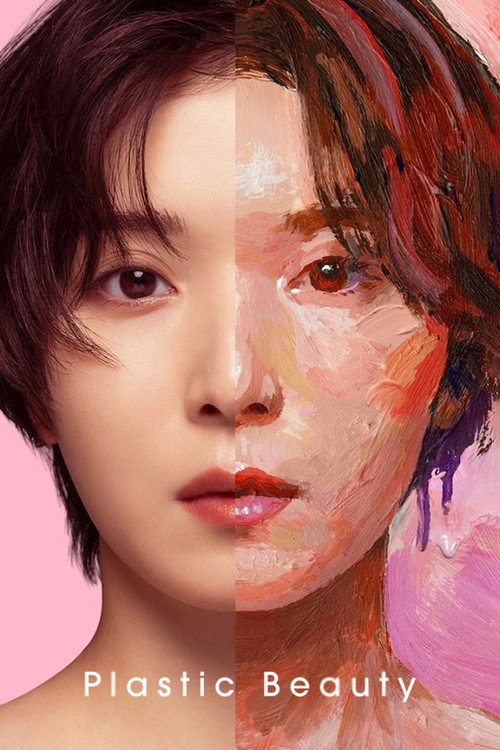
About Plastic Beauty
When a gifted ER surgeon is thrust into cosmetic medicine, her clash with a celebrity doctor exposes the greed and desire beneath the glamour.
- Type: TV Series
- Platform: Netflix
- Release Date:
- IMDb Rating: 7/10
- Genres: Drama
- Language: Japanese
Our Take on Plastic Beauty — Scalpel Sharp, Morally Murky Drama
Netflix's 'Plastic Beauty' dives deep into the high-stakes world of cosmetic surgery, exposing the gleaming facade and the desperate desires beneath. It's a fascinating, often uncomfortable look at ambition and ethics.
## The Setup
'Plastic Beauty' plunges us into the glittering, yet surprisingly cutthroat, world of cosmetic medicine through the eyes of Dr. Lena Hanson. Lena is, by all accounts, a brilliant ER surgeon – sharp, compassionate, and driven by a genuine desire to save lives. Her world is one of trauma bays, urgent decisions, and the visceral reality of human fragility. But a sudden, unforeseen professional upheaval, hinted at early on with a vague but potent sense of injustice, forces her out of the emergency room and, against her initial instincts, into the seemingly superficial realm of aesthetic surgery. This isn't a career pivot she embraces; it's a reluctant descent, a pragmatic necessity that grates against her medical ethics and her very identity as a healer. The series quickly establishes that this new environment, with its focus on perfection rather than survival, is an alien landscape for Lena, one she navigates with a mixture of disdain and reluctant curiosity.
Her new professional home is the opulent, highly exclusive clinic run by Dr. Julian Vance, a celebrity plastic surgeon whose name is synonymous with flawless transformations and whose client list reads like a who's who of the city's elite. Vance is Lena's polar opposite: charismatic, media-savvy, and seemingly unburdened by the ethical quandaries that plague Lena. He embodies the glamour and the commercialism of cosmetic medicine, a stark contrast to Lena's grounded, life-or-death philosophy. Their immediate clash, fueled by differing medical philosophies and a simmering personal tension, forms the central dynamic of the series. 'Plastic Beauty' isn't just about the procedures; it’s about the people who seek them, the doctors who perform them, and the societal pressures that fuel an insatiable desire for an unattainable ideal. It's a world where beauty is currency, youth is a commodity, and the lines between medical necessity and vanity are constantly blurred, often for profit.
## What Works
Where 'Plastic Beauty' truly shines is in its nuanced portrayal of the moral ambiguities inherent in cosmetic surgery. It doesn't shy away from showing the transformative power of these procedures for patients, particularly those grappling with disfigurement or deep-seated insecurities. We see Lena, initially cynical, slowly begin to understand the profound psychological impact a successful surgery can have, even if it's not 'saving a life' in the traditional sense. A standout episode in the mid-season features a young woman, scarred from a childhood accident, whose journey through reconstructive surgery under Lena's hesitant care is genuinely moving. Lena's internal conflict – her ER instincts screaming 'unnecessary' while her patient's gratitude whispers 'life-changing' – is palpable and brilliantly acted by Maya Sharma, who plays Lena with a compelling blend of steeliness and vulnerability. Sharma’s ability to convey Lena’s internal monologue through subtle facial expressions and a weary gaze is exceptional. She doesn't just play a doctor; she plays a conscience wrestling with a new reality.
The series also excels in its character development, particularly the slow-burn evolution of Dr. Vance. Initially presented as a slick, almost villainous figure, actor Ben Carter imbues Vance with unexpected depth. We see glimpses of his own insecurities, his drive for perfection perhaps stemming from a personal history, and a genuine, albeit often misguided, desire to help his patients. His monologue in episode five, where he defends his work not as vanity but as artistry and a response to legitimate human suffering, is a powerful moment that reframes his character. The surgical scenes themselves are surprisingly detailed and realistic, avoiding sensationalism while still conveying the precision and intensity of the work. The cinematography, particularly in these moments, is clinical yet engaging, focusing on the intricate movements of hands and instruments. The writing consistently challenges the viewer's preconceived notions, pushing us to question our own judgments about beauty, aging, and the choices people make to feel whole. The dialogue is sharp, intelligent, and often laced with a dark humor that cuts through the tension.
## What Doesn't
While 'Plastic Beauty' largely succeeds, it does stumble in a few areas. The initial catalyst for Lena’s departure from the ER feels a bit too vague and convenient. The 'unforeseen professional upheaval' is never fully fleshed out, leaving a nagging sense of an underdeveloped plot device rather than a truly organic twist. This lack of specificity makes it harder to fully invest in Lena's forced transition, as the foundation for her predicament feels a little shaky. We understand she was wronged, but the details are kept frustratingly opaque, perhaps to avoid bogging down the main narrative, but it ultimately weakens her backstory.
Another minor drawback is the pacing in the middle third of the season. After the initial compelling setup and the establishment of Lena and Vance's dynamic, there are a couple of episodes where the patient-of-the-week format becomes a little repetitive. While each case is individually interesting, the overarching narrative tension between Lena and Vance, and the exploration of the deeper ethical questions, occasionally takes a backseat to these more episodic storylines. This causes a slight dip in momentum, and some of the subplots involving secondary characters, particularly a burgeoning romance between two clinic staff members, feel a bit underdeveloped and occasionally distract from the more compelling central conflicts. The series also occasionally leans a little too heavily on montages of glamorous procedures set to trendy music, which, while visually appealing, can sometimes feel like filler rather than substantive storytelling.
## Who Is This For?
This series is tailor-made for viewers who appreciate complex character dramas that aren't afraid to tackle morally grey areas. If you enjoyed shows like 'House M.D.' for its medical intricacies and ethical debates, or 'Succession' for its exploration of ambition and power dynamics within a specific, high-stakes world, 'Plastic Beauty' will likely captivate you. It's for those who enjoy a smart, character-driven narrative that prompts reflection and discussion, rather than simple answers. Expect to be challenged, to question your own definitions of beauty and self-worth, and to feel a blend of empathy and frustration for the characters. This isn't a light, feel-good watch; it requires engagement and a willingness to sit with uncomfortable truths. Watch it when you're in the mood for a thought-provoking drama that offers both intellectual stimulation and emotional resonance, perhaps with a glass of good wine and a friend to dissect it with afterward. It's perfect for a binge-watch on a rainy weekend, allowing you to fully immerse yourself in its meticulously crafted world.
## Final Verdict
'Plastic Beauty' is a surprisingly insightful and often uncomfortable dive into a world often dismissed as superficial. It succeeds in peeling back the layers of glamour to reveal the complex motivations, ethical quandaries, and deeply human desires that drive both doctors and patients. While it suffers from a slightly underdeveloped inciting incident and occasional pacing issues, these are minor blemishes on an otherwise compelling and well-acted series. The performances from Maya Sharma and Ben Carter are standout, elevating the material beyond mere medical procedural into something far more profound. It’s a show that will make you think, question, and ultimately, feel a deeper understanding of the human condition and the lengths we go to for perceived perfection. Don't let the glossy title fool you; this is a drama with real substance, and it's absolutely worth your time. Dive in, but be prepared to look beneath the surface.
— WatchThisFlix Editorial Team
More on WatchThisFlix
WatchThisFlix is a free streaming guide covering new releases on Netflix, Amazon Prime Video, Disney+, Max (HBO), Apple TV+, Hulu, Peacock, Paramount+, and more. We curate weekly picks across English, Hindi, Telugu, Tamil, Malayalam, Korean, Japanese, Spanish, French, and other languages.