Cocaine (1922)
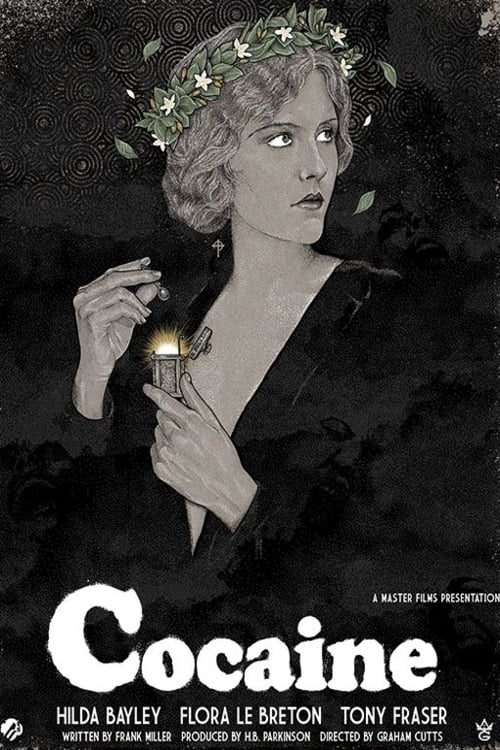
About Cocaine
A decadent tale of drugs and the London underworld the cosseted daughter of a respectable businessman - in fact head of a cocaine racket - succumbs to the pleasures of drink and drugs. Vivid nightlife scenes recreate the interwar world of flappers and hedonists; the dapper club owner and seedy street dealers.
- Type: Movie
- Platform: Hotstar
- Release Date:
- IMDb Rating: 8/10
- Genres: Drama
- Language: English
- Duration: 1h 20m
Our Take on Cocaine — A Roaring Twenties Dive into Decadence
Step back into the shadowy allure of 1920s London with 'Cocaine,' a silent drama that pulls no punches in its depiction of hedonism and its steep price.
## The Setup
Before you dismiss *Cocaine* as just another antiquated silent film, understand that this 1922 British drama, now streaming on Hotstar, is a surprisingly potent and prescient dive into the perils of addiction and the hidden underbelly of high society. The film centers on the seemingly respectable world of Mr. Harding, a prominent businessman whose carefully constructed facade hides a sinister secret: he's the kingpin of a burgeoning cocaine racket. His unsuspecting daughter, Phyllis, is the quintessential flapper – vivacious, bored with convention, and drawn to the glittering, illicit allure of London's interwar nightlife. As she navigates smoky jazz clubs and clandestine parties, she inevitably succumbs to the intoxicating pleasures of drink and, eventually, the very drug her father profits from. The film paints a vivid, if morally cautionary, picture of an era defined by newfound freedoms, economic boom, and a dangerous thirst for sensation. It’s a world where dapper club owners rub shoulders with seedy street dealers, and the line between respectable society and the criminal underworld is dangerously thin, often blurred by a cloud of cocaine smoke.
## What Works
What truly elevates *Cocaine* beyond a mere historical curiosity is its remarkably candid and unflinching portrayal of drug use for its time. While many films of the era shied away from such explicit themes or presented them with heavy-handed moralizing, *Cocaine* offers a surprisingly nuanced, almost documentary-like glimpse into the mechanics of addiction. The scenes depicting Phyllis's descent are particularly effective. We see her initial curiosity, the fleeting euphoria, and then the inevitable, agonizing grip of dependency. The film doesn't just tell us she's addicted; it *shows* us the physical and psychological toll, from her increasingly erratic behavior to the tell-tale signs of withdrawal. Phyllis's performance, though typical of silent film melodrama, conveys a genuine sense of a young woman caught in a trap of her own making, a victim of both her environment and her own choices. Her wide, expressive eyes, initially sparkling with youthful abandon, gradually become haunted and desperate. One particularly striking sequence involves a rapid montage of Phyllis's increasingly frantic search for her next fix, intercut with hallucinatory visions, effectively conveying the escalating chaos in her mind. It’s a powerful piece of visual storytelling, demonstrating that even without spoken dialogue, the film can articulate complex emotional states. The recreation of interwar London's nightlife is another major strength. The smoky, crowded clubs, the frenetic dancing, the illicit whispers – it all feels surprisingly authentic. The set design and costuming, while perhaps not historically perfect, certainly evoke the decadent atmosphere of the Roaring Twenties. The film manages to capture the zeitgeist of a generation pushing boundaries, exploring new freedoms, and often, stumbling into dangerous territory. Even the supporting characters, like the suave club owner and the shifty street dealers, contribute to this rich tapestry, painting a comprehensive picture of the ecosystem surrounding the drug trade. The pacing, at a brisk 1 hour and 20 minutes, keeps the narrative moving, preventing any significant lulls. It’s a testament to the filmmakers' understanding of visual rhythm, ensuring that even silent film newcomers will find themselves engaged.
## What Doesn't
While *Cocaine* is commendable for its progressive themes, it’s not without its shortcomings, many of which stem from the conventions of its era. The characterizations, outside of Phyllis, tend to be rather one-dimensional. Mr. Harding, for example, is purely the archetypal villain, lacking any real depth or internal conflict. His motivation is simply greed, and while effective for the plot, it makes him less compelling as a character study. Similarly, the 'good' characters, often the virtuous love interest or the concerned family friend, are equally flat, serving primarily as moral counterpoints rather than fully fleshed-out individuals. This makes some of the emotional beats feel less earned, as the audience isn't deeply invested in their personal stakes. The resolution, while providing a clear moral lesson, feels a little too neat and abrupt. After such a visceral journey into the depths of addiction, the path to redemption, or at least resolution, feels somewhat rushed, almost as if the filmmakers suddenly remembered they needed to wrap things up. A slightly more extended or nuanced depiction of the aftermath of Phyllis's struggles could have added significant emotional weight and made the film's message even more profound. Furthermore, while the visual storytelling is generally strong, there are moments where the acting veers into the overly theatrical, a common trait of silent cinema that can occasionally pull modern viewers out of the experience. The exaggerated gestures and facial expressions, while necessary for conveying emotion without dialogue, can sometimes feel a bit melodramatic, especially during moments that might benefit from more subtle nuance.
## Who Is This For?
This film is an absolute must-watch for cinephiles interested in the evolution of cinema, particularly those fascinated by early 20th-century filmmaking and its surprising willingness to tackle controversial subjects. If you're a fan of silent films and appreciate their unique artistic language, *Cocaine* offers a compelling and well-executed example. History buffs, especially those with an interest in the social history of the Roaring Twenties and the burgeoning drug culture of the era, will find it a fascinating time capsule. It's also for viewers who appreciate character-driven dramas, even if the characterizations are sometimes broad. Expect to be immersed in a world of jazz, flappers, and moral ambiguity. Watch it on a quiet evening, perhaps with a cup of tea, allowing yourself to be transported to a bygone era. Don't go in expecting modern pacing or subtle performances; instead, embrace the theatricality and the raw, unpolished power of early cinema. It’s a film that sparks discussion, offering a window into how society viewed addiction a century ago.
## Final Verdict
*Cocaine* is far more than a historical artifact; it's a surprisingly bold and impactful silent drama that holds up remarkably well, particularly for its daring subject matter and atmospheric recreation of 1920s London. Despite some dated acting conventions and simplified character arcs, its unflinching portrayal of addiction and the decadent allure of the underworld makes it a fascinating and valuable watch. For anyone curious about the roots of modern cinema and the social anxieties of a century ago, this is a strong recommendation. Don't skip it; dive into this intoxicating piece of cinematic history.
— WatchThisFlix Editorial Team
More on WatchThisFlix
WatchThisFlix is a free streaming guide covering new releases on Netflix, Amazon Prime Video, Disney+, Max (HBO), Apple TV+, Hulu, Peacock, Paramount+, and more. We curate weekly picks across English, Hindi, Telugu, Tamil, Malayalam, Korean, Japanese, Spanish, French, and other languages.