Our Take on This, That and Everything in Between — Family drama, raw and real
Netflix's latest family drama dives deep into the messy truth of reconciliation, proving some wounds never truly heal, they just evolve.
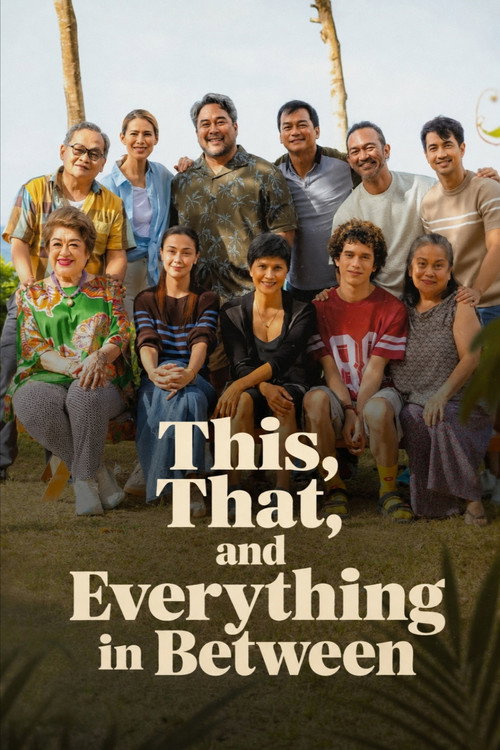
About This, That and Everything in Between
- Platform: Netflix
- Release Date:
- Genres: Drama, Family
A TV writer returns home to her estranged mother, igniting chaos as they navigate painful secrets and the complexities of their dysfunctional family.
WatchThisFlix Review
By WatchThisFlix Editorial Team
## The Setup
"This, That and Everything in Between" plunges us into the world of Maya (played with a weary resilience by Lena Dunham), a moderately successful TV writer whose life, on paper, seems to be finally settling. That illusion shatters when an unexpected family crisis calls her back to the very place and person she’s spent years meticulously avoiding: her childhood home and her estranged mother, Carol (a formidable Viola Davis). The premise isn't groundbreaking – the prodigal child returns to confront parental demons – but the execution here is anything but cliché. The film immediately establishes a palpable tension, a thick, unspoken history hanging between Maya and Carol. We're dropped into a world where every glance, every hesitant word, every shared silence is loaded with decades of resentment, misunderstanding, and a sliver of unacknowledged love. It’s a domestic battlefield, not of shouting matches, but of emotional landmines, where a seemingly innocuous comment about dinner can detonate a lifetime of pain. The "everything in between" of the title truly refers to the vast, complex emotional landscape these two women, and by extension, their entire dysfunctional family, have to navigate. It’s a film about the impossible task of untangling a Gordian knot of family secrets, unmet expectations, and the enduring, often destructive, power of a mother-daughter bond.
## What Works
Viola Davis as Carol is, predictably, a force of nature. She doesn’t just play Carol; she inhabits her, embodying the brittle pride, the deep-seated fear, and the surprising vulnerability of a woman who has built walls so high she can no longer see over them. Her performance is a masterclass in controlled intensity, particularly in the scene where Maya confronts her about a specific childhood incident involving a broken heirloom. Davis’s face cycles through defensiveness, hurt, and a flicker of regret so subtle you might miss it, all without uttering a single word for a full minute. It’s devastating. Lena Dunham, often known for her more idiosyncratic roles, delivers a surprisingly grounded and nuanced performance as Maya. She portrays the tightrope walk of trying to be an adult in a situation that constantly infantilizes her, the exhaustion of carrying old wounds, and the desperate yearning for a connection that might never materialize. Her quiet moments of reflection, particularly when she’s alone in her childhood bedroom, sifting through old photographs, speak volumes about the unresolved grief she carries.
The film’s writing, by debutante screenwriter Chloe Zhao, is sharp and incisive, avoiding easy answers or saccharine resolutions. The dialogue feels authentic, like conversations you'd overhear at a tense family dinner. There are no grand monologues designed to tie up loose ends neatly; instead, we get fragmented arguments, passive-aggressive barbs, and sudden, unexpected moments of tenderness that feel earned, not forced. The pacing is deliberate, allowing scenes to breathe and emotions to simmer, rather than rushing to the next plot point. This slower burn allows the audience to truly sink into the discomfort and complexity of the family dynamics. Cinematography also plays a crucial role. Director Elias Koteas (yes, the actor-turned-director) uses tight close-ups to capture the subtle shifts in expression, emphasizing the internal struggles of the characters. The often muted color palette, particularly within the family home, reflects the somber, heavy atmosphere, while occasional flashes of vibrant color, like a memory of a childhood summer, provide poignant contrast.
One particularly effective scene involves the family trying to organize a garage sale. What begins as a mundane task quickly devolves into a microcosm of their entire dynamic: Carol’s need for control, Maya’s quiet rebellion, her brother David's (a wonderfully understated John Cho) attempts at peacekeeping, and her sister Sarah's (the always reliable Aubrey Plaza) cynical humor. It’s a brilliant piece of writing and direction that encapsulates their entire history in a seemingly simple interaction. The film doesn't shy away from the ugliness of family, but it also finds pockets of genuine warmth and dark humor, often provided by Sarah, who acts as the family's sardonic Greek chorus. These moments prevent the film from becoming overly bleak, offering much-needed emotional release.
## What Doesn't
While the deliberate pacing generally works, there are moments, particularly in the second act, where it verges on feeling a bit too languid. Some scenes, while beautifully acted, linger a little longer than necessary, causing the narrative momentum to dip. A tighter edit in a few places could have maintained the emotional intensity without sacrificing the film's thoughtful approach. Additionally, while John Cho and Aubrey Plaza are excellent in their supporting roles as Maya's siblings, their characters, particularly David, feel somewhat underdeveloped. David is presented as the family mediator, but his own internal struggles and relationship with Carol are only hinted at, never fully explored. Given the depth afforded to Maya and Carol, it feels like a missed opportunity to round out the family portrait. We see him try to keep the peace, but we don't fully understand the toll it takes on him or what his own resentments might be. Plaza's Sarah is a scene-stealer, but her cynicism, while entertaining, occasionally feels like a shield that never fully drops, preventing deeper emotional access to her character.
The film also hints at a few family secrets that, while ultimately revealed, could have been layered in with a bit more mystery or suspense early on. The "painful secrets" mentioned in the description are indeed painful, but their unveiling sometimes feels a little too straightforward, rather than organically unearthed through the characters' interactions. A more gradual reveal, perhaps through fragmented flashbacks or overheard conversations, might have added another layer of intrigue. Finally, while the ending is intentionally ambiguous and true to life – not all family wounds get a neat bandage – some viewers might find it a touch unsatisfying. It leaves a lot of emotional heavy lifting to the audience, which is a stylistic choice, but one that might frustrate those looking for a more definitive sense of closure for these characters.
## Who Is This For?
This film is tailor-made for viewers who appreciate character-driven dramas that delve into the complexities of human relationships, particularly dysfunctional family dynamics. If you enjoyed films like "August: Osage County," "Manchester by the Sea," or even TV series like "Succession" (for its family toxicity, not its corporate machinations), you'll find a lot to unpack here. It's for an audience that doesn't shy away from emotional discomfort and is willing to sit with characters as they grapple with difficult truths. Expect to feel a range of emotions – frustration, empathy, sadness, and perhaps even a flicker of recognition for your own family's quirks. It's a film to watch when you're in a reflective mood, perhaps with a glass of wine, ready to engage deeply with the performances and the weighty themes. Don't go in expecting a light, feel-good romp; this is a raw, often painful exploration of what it means to love and resent the people who made you.
## Final Verdict
"This, That and Everything in Between" isn't an easy watch, but it's an incredibly rewarding one. Viola Davis and Lena Dunham deliver powerhouse performances that anchor a film rich in emotional truth and sharp, understated writing. While it occasionally suffers from a slightly meandering pace and some underdeveloped supporting characters, its unflinching look at the messy, often unresolved nature of family estrangement makes it a compelling and deeply resonant experience. It’s a film that will linger with you, prompting reflection on your own relationships and the unspoken histories that shape us all. Watch it tonight if you're prepared for a nuanced, emotionally complex journey into the heart of a broken family, and if you appreciate a film that respects its audience enough to offer difficult questions rather than simple answers. Skip it if you're seeking escapism or a straightforward redemption arc; this isn't that kind of story.
More Reviews & Recommendations
Discover what else is worth watching this weekend. WatchThisFlix covers the best new releases across Netflix, Amazon Prime Video, Disney+, Max (HBO), Apple TV+, Hulu, and more.