Our Take on The Good Spirit: Behind the Doors of the Opus Dei — Unveiling a Shadowy Institution
This documentary-drama hybrid promises an unprecedented look into the secretive world of Opus Dei. With firsthand accounts from former members, it aims to peel back layers of an organization often shrouded in mystery.
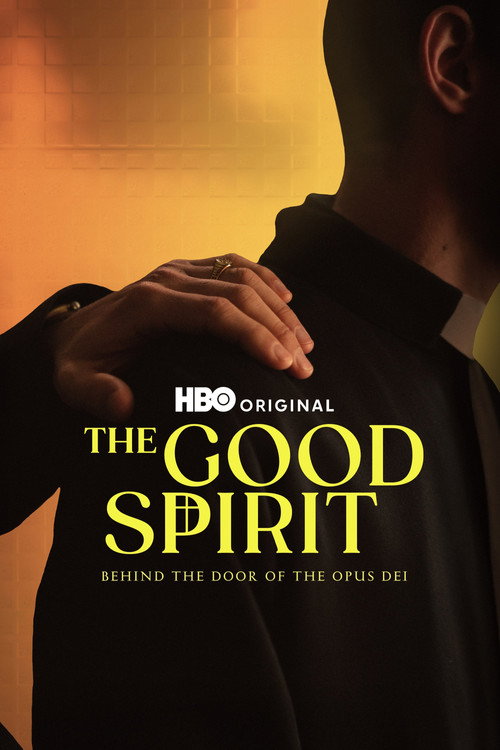
About The Good Spirit: Behind the Doors of the Opus Dei
- Platform: other
- Release Date:
- IMDb Rating: 8.5/10
- Genres: Documentary, Drama
Fourteen men of all ages from eleven different countries recount their personal experiences within Opus Dei. Many of them held leadership positions while others were called to support the institution from the highest levels of their professional careers to expand Opus Dei. Some were sent as teenagers to countries from which they never returned.
WatchThisFlix Review
By WatchThisFlix Editorial Team
## The Setup "The Good Spirit: Behind the Doors of the Opus Dei" is a 2026 streaming series that plunges into the enigmatic world of Opus Dei, an institution within the Catholic Church that has long fascinated and, at times, alarmed observers. This three-episode, single-season series is positioned as a deep dive, offering a rare glimpse into the experiences of fourteen men who were once integral to its operations. These individuals, hailing from eleven different countries, are set to recount their personal journeys within the organization, providing a mosaic of perspectives that range from those who held significant leadership positions to others tasked with leveraging their professional careers to expand Opus Dei's influence. The series description hints at poignant narratives, particularly for those sent as teenagers to foreign lands from which they never returned, suggesting a focus on the profound personal impact of their involvement. Created by Mònica Terribas, the series blends documentary elements with dramatic recreations, aiming to illuminate the interior workings and human toll of an institution often perceived as both powerful and opaque.
## What It Has Going For It This series arrives with a compelling premise, particularly for anyone drawn to narratives that expose the inner workings of powerful, often secretive, organizations. The very subject matter – Opus Dei – carries an inherent intrigue. It’s an institution that has inspired both fervent devotion and intense scrutiny, making any attempt to pull back the curtain inherently fascinating. The decision to center the narrative on the personal experiences of fourteen men, many of whom held leadership roles or were instrumental in its global expansion, suggests a robust effort to provide an insider's perspective. This isn't just an external analysis; it's a collection of firsthand testimonies, which can be incredibly powerful in a documentary format. The inclusion of individuals from eleven different countries underscores the global reach of Opus Dei and promises a diverse range of cultural and personal contexts for their experiences, potentially revealing a nuanced picture rather than a monolithic one. The detail that some were sent as teenagers to countries they never returned from hints at deeply personal and potentially emotionally charged narratives, which can be incredibly impactful for viewers. The blend of documentary and drama genres is also a strategic choice. The documentary aspect, featuring voices like Jordi Boixaderas and Mònica Terribas (who also created the series) as narrators or interviewers, lends credibility and a sense of direct access to the subject. The drama elements, featuring actors like Joel Bosqued as David, Guillem Balart as Raimon, and Marc Baltà as Enrique, can serve to humanize the experiences, allowing viewers to emotionally connect with the stories in a way that pure talking heads might not achieve. This hybrid approach can make complex institutional dynamics more accessible and the personal stakes more palpable. Mònica Terribas's role as creator is also noteworthy; her vision will undoubtedly shape the tone and investigative rigor of the series. The original language being Spanish also suggests an authenticity to the subject matter, given Opus Dei's historical roots and significant presence in Spanish-speaking countries. For those interested in religious studies, sociology, or the psychology of belief and institutional power, this series offers a rich vein of exploration.
## Possible Drawbacks While the premise is strong, the hybrid documentary-drama genre can present challenges. Striking the right balance between factual recounting and dramatic interpretation is crucial. If the dramatic recreations overshadow the authentic testimonies, or if they feel inauthentic or overly sensationalized, it could detract from the series' credibility and impact. Conversely, if the documentary segments are too dry or academic, the dramatic elements might struggle to carry the emotional weight intended. The subject matter itself, Opus Dei, is highly sensitive and often polarizing. While the series aims to tell personal experiences, the institution itself is likely to be viewed through various lenses, and the series may face scrutiny over its perceived bias or objectivity. Presenting fourteen personal accounts, while rich, also runs the risk of feeling diffuse if not expertly curated and edited. With only three episodes, there's a significant challenge in thoroughly exploring the nuances of fourteen different experiences and the complexities of a global institution. Viewers looking for a definitive, all-encompassing exposé might find the scope limited by the personal narrative focus and episode count. The series also leans heavily on the personal experiences of former members, which inherently carries a subjective perspective. While valuable, it's important for viewers to approach such narratives with an understanding that they represent individual truths rather than a singular, objective reality of the institution. Those unfamiliar with Opus Dei might find themselves needing additional context to fully grasp the significance of the recounted experiences, and the series' ability to provide that context effectively within its limited run will be key. Viewers seeking a straightforward, objective historical account might find the emotional and personal nature of the storytelling less satisfying. Additionally, the series' focus on men's experiences, while justified by the premise, means that other perspectives within Opus Dei, particularly those of women, may not be as prominently featured, potentially leaving a gap for some viewers.
## Who Is This For? This series is for viewers who are inherently curious about the inner workings of powerful, often secretive, organizations, particularly those with a religious or spiritual foundation. If you're fascinated by the dynamics of belief, institutional control, and personal conviction, "The Good Spirit" is likely to resonate. It will appeal to those who appreciate a blend of rigorous documentary investigation and emotionally resonant human stories, especially when told through the lens of personal testimony. Fans of true crime documentaries, investigative journalism, or historical dramas that uncover hidden truths might find this a compelling watch. It's ideal for someone looking for a thought-provoking, potentially unsettling viewing experience rather than light entertainment. Expect to engage with complex ethical questions and the profound impact of institutional choices on individual lives. This is a series to watch when you're in a mood for serious reflection, perhaps with a cup of coffee and a desire to delve into a subject that demands attention and critical thought. It's not a casual background watch; it requires engagement and an openness to diverse, often challenging, perspectives on faith, power, and personal sacrifice.
## Final Verdict "The Good Spirit: Behind the Doors of the Opus Dei" stands as a potentially vital and deeply human exploration of a perennially controversial institution, making it a series well worth considering for anyone seeking substantive, investigative storytelling.
More Reviews & Recommendations
Discover what else is worth watching this weekend. WatchThisFlix covers the best new releases across Netflix, Amazon Prime Video, Disney+, Max (HBO), Apple TV+, Hulu, and more.