Our Take on The Doll — A Lavish Obsession, Beautifully Tragic
Netflix's 'The Doll' is a sumptuous, if sometimes frustrating, dive into 19th-century Polish aristocracy and the destructive power of unrequited love. It's a visual feast that demands patience.
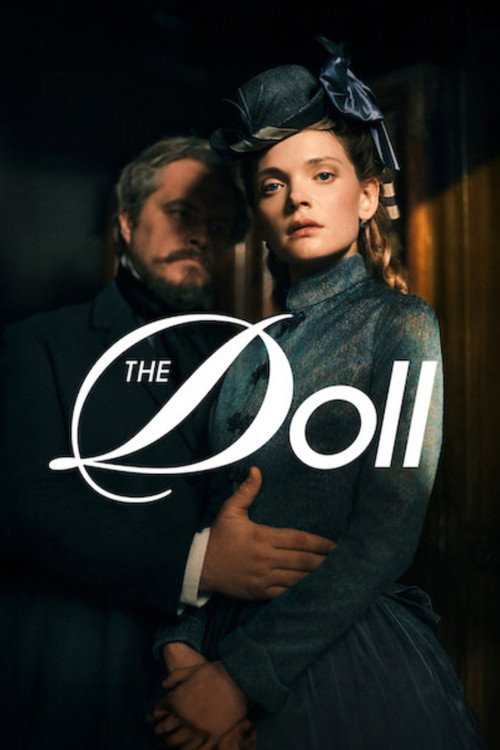
About The Doll
- Platform: Netflix
- Release Date:
- IMDb Rating: 4.3/10
- Genres: Drama
When Stanisław falls in love with the aristocratic Izabela, he dedicates his entire life to winning her over.
WatchThisFlix Review
By WatchThisFlix Editorial Team
## The Setup
Based on Bolesław Prus's seminal 1890 novel, Netflix's 2026 adaptation of *The Doll* plunges viewers into the opulent yet stifling world of Warsaw's high society. We meet Stanisław Wokulski, a self-made man of humble origins who, through sheer force of will and a bit of wartime profiteering, has amassed a considerable fortune. His world, however, is irrevocably altered the moment he lays eyes on Izabela Łęcka, an aristocratic beauty of breathtaking, if somewhat cold, demeanor. Izabela is the epitome of the Polish gentry in decline: beautiful, refined, but utterly devoid of practical sense and financially teetering on the brink. Stanisław's love for her isn't just an infatuation; it's an all-consuming obsession that drives every decision he makes, every business venture he undertakes, and every social maneuver he attempts. The series meticulously chronicles his Sisyphean quest to win her affection, a journey fraught with social barriers, class prejudices, and the inherent impossibility of bridging the chasm between their worlds and, more importantly, their hearts. It's a story about the corrosive nature of idealized love, the rigidity of social structures, and the poignant futility of chasing a phantom.
## What Works
The visual grandeur of *The Doll* is its undeniable crown jewel. From the moment the series opens, you're transported. The set design, costuming, and cinematography are simply breathtaking, painting a vivid, almost tactile portrait of 19th-century Warsaw. Every lace cuff, every intricate gown, every meticulously restored salon feels authentic and lived-in. The production values are on par with the best prestige dramas, making it a feast for the eyes even when the narrative occasionally meanders. There's a particular scene in episode three, set during a grand ball, where the camera glides through the shimmering ballroom, capturing the intricate dance steps and the hushed conversations, that is simply masterful. It perfectly encapsulates the superficial beauty and underlying tension of this world.
Beyond the aesthetics, the performances are largely compelling. The actor portraying Stanisław Wokulski delivers a nuanced performance, effectively conveying the torment and unwavering devotion that define his character. You feel his desperation, his quiet dignity, and the profound sadness beneath his ambitious exterior. His gaze, often fixed on Izabela with a mixture of adoration and agony, speaks volumes. Similarly, the actress playing Izabela Łęcka manages to make a character who could easily be dismissed as a mere coquette surprisingly complex. She's not just vain; she's a product of her environment, trapped by her class expectations and a profound inability to feel genuine emotion. Her moments of vulnerability, though fleeting, are impactful, hinting at a deeper emptiness rather than outright malice. The supporting cast is also stellar, particularly the cynical but perceptive Rzecki, Wokulski's loyal clerk, whose internal monologues, presented through voiceover, offer a crucial counterpoint to Stanisław's romantic delusions. His character grounds the story, providing a much-needed dose of realism and an older generation's perspective on a changing world.
The series also excels in its thematic exploration. It delves deep into the social stratification of the era, the clash between old aristocracy and new money, and the nascent stirrings of scientific inquiry versus entrenched superstition. The discussions about social utility, the role of women, and the nature of true love are woven naturally into the dialogue and plot, never feeling didactic. The pacing, while slow, allows for this thematic depth to fully unfurl. It's not a series to binge for quick thrills; it's one to savor, to allow its atmosphere and ideas to wash over you. The slow burn effectively builds the suffocating sense of Wokulski's entrapment in his own obsession, making his eventual emotional unraveling all the more poignant.
## What Doesn't
While the deliberate pacing allows for rich character development and thematic exploration, it can, at times, tip over into genuine sluggishness. There are stretches, particularly in the middle episodes, where the narrative feels like it's treading water, reiterating Wokulski's devotion and Izabela's indifference without advancing the plot significantly. The 66-minute episode length, while not excessive for a drama, feels stretched when the story isn't moving with purpose. One could argue that this mirrors the drawn-out nature of Wokulski's unrequited love, but from a viewer's perspective, it occasionally tests patience. There are too many lingering shots of Izabela gazing blankly or Wokulski sighing dramatically that, after a while, lose their emotional impact.
Another minor quibble lies in the portrayal of Izabela herself. While the actress does a commendable job of imbuing her with some inner life, the script often keeps her at arm's length, making her motivations feel somewhat opaque. We understand *that* she's vain and superficial, but we rarely get a true glimpse into *why* she behaves the way she does beyond her aristocratic upbringing. A bit more internal monologue or scenes from her perspective, even if brief, could have added another layer to her character, making her less of an object of Wokulski's affection and more of a fully realized, if flawed, individual. This lack of deeper insight makes her ultimate rejection of Wokulski feel less like a tragedy of circumstance and more like the inevitable outcome of two caricatures.
Finally, the ending, while faithful to the novel's ambiguities, might leave some viewers feeling unsatisfied. The series commits to the novel's open-endedness, which, while artistically valid, can feel a bit like a deflated balloon after such a long, emotionally intense build-up. There isn't a neat resolution, and while that's part of the point, a slightly clearer sense of closure for some of the secondary characters or thematic threads could have been beneficial without sacrificing the core message of the story.
## Who Is This For?
This series is for viewers who relish intricate historical dramas with high production values and a slow-burn narrative. If you enjoyed the lavish visuals and psychological depth of *The Crown*, *War and Peace*, or even the more melancholic aspects of *Bridgerton* (minus the modern sensibility), *The Doll* will likely appeal. It's ideal for those who appreciate literary adaptations that prioritize atmosphere and character study over rapid plot progression. Watch this if you're in the mood for something visually rich, emotionally complex, and willing to delve into the nuances of human obsession and societal constraints. It's best enjoyed on a quiet evening, perhaps with a cup of tea or a glass of wine, ready to immerse yourself in a bygone era. Expect to feel a mix of awe at the beauty, frustration at the characters' choices, and a profound sense of melancholy.
## Final Verdict
*The Doll* is a magnificent, if occasionally plodding, adaptation that ultimately succeeds due to its stunning visuals, strong performances, and commitment to its source material's profound themes. While its deliberate pace and ambiguous ending might not be for everyone, those who commit to Stanisław Wokulski's tragic journey will be rewarded with a rich, immersive experience that lingers long after the credits roll. It's a beautiful, heart-wrenching meditation on the futility of chasing an ideal, and despite its minor flaws, it’s a series worth watching for its sheer artistic ambition and visual splendor. Absolutely give it a watch if you have the patience for a truly classic, melancholic love story. Skip it if you need constant plot propulsion and clear-cut resolutions; this is not that kind of show.
More Reviews & Recommendations
Discover what else is worth watching this weekend. WatchThisFlix covers the best new releases across Netflix, Amazon Prime Video, Disney+, Max (HBO), Apple TV+, Hulu, and more.