Our Take on My Bias, My Boss — Idol Worship Meets Office Drama
When fangirl meets idol in the workplace, sparks fly — but not always the romantic kind. 'My Bias, My Boss' navigates the tricky waters of professional ambition, secret obsessions, and unexpected connections.
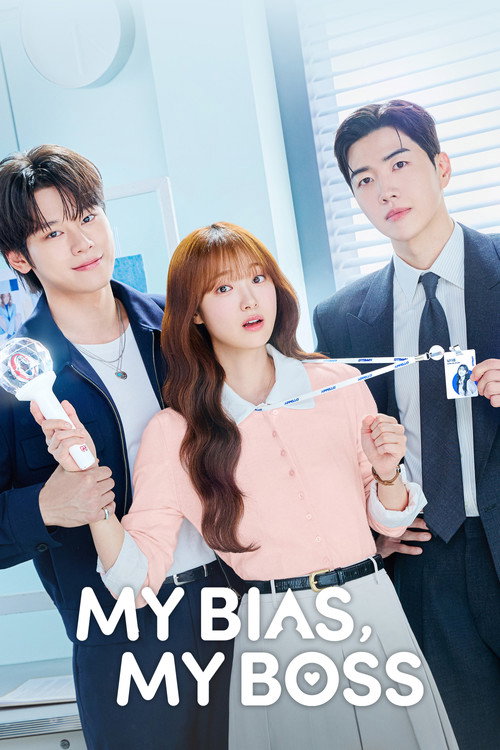
About My Bias, My Boss
- Platform: other
- Release Date:
- IMDb Rating: 1/10
- Genres: Comedy, Drama
A dedicated fangirl lands a job at a fashion company, only to discover it was co-founded by her ultimate idol. Determined to remain professional, she hides her identity, but is quickly thrown off course by the company's workaholic CEO. As secret unrequited feelings and hidden personal struggles entangle the trio, she finds herself torn between her lifelong obsession and an unexpected new connection.
WatchThisFlix Review
By WatchThisFlix Editorial Team
## The Setup "My Bias, My Boss" plunges us into the world of Kim Min-ji, a dedicated fangirl whose life revolves around the illustrious Lee Jin-woo, co-founder of the high-fashion brand 'Aether'. Min-ji's ultimate dream job at Aether becomes a reality, but it comes with a monumental catch: her new boss is none other than Jin-woo himself. Determined to maintain professionalism and, more importantly, hide her years of fervent idol worship, Min-ji attempts to navigate the sleek, demanding corridors of Aether. Her carefully constructed facade, however, is immediately challenged by the company’s workaholic CEO, Choi Hyun-woo. Hyun-woo is a force of nature—intense, driven, and seemingly oblivious to the emotional maelstrom brewing around him. As Min-ji grapples with her secret, unrequited feelings for Jin-woo and the unexpected, complicated dynamic with Hyun-woo, the series explores the intricate dance between personal passion and professional decorum, all while hinting at deeper, unresolved personal struggles for all three leads.
## What Works Where "My Bias, My Boss" truly shines is in its nuanced exploration of the fangirl phenomenon and the awkward, often painful, reality of meeting your heroes. Min-ji, portrayed with a delightful blend of earnestness and suppressed hysteria by Park Eun-kyung, is instantly relatable. Her internal monologues, where she chastises herself for nearly hyperventilating over Jin-woo's presence or over-analyzing his casual remarks, are genuinely funny and acutely observed. The series perfectly captures the specific brand of anxiety that comes with trying to appear cool and competent when your inner self is screaming in disbelief. A particularly strong scene in episode three involves Min-ji accidentally spilling coffee on Jin-woo's pristine white shirt. Her internal monologue is a frantic, self-deprecating masterpiece, oscillating between professional apologies and a fangirl's lament over ruining a sacred garment worn by her idol. It’s a moment of pure, unadulterated cringe comedy that lands perfectly.
Lee Jin-woo, played by the effortlessly charismatic Kim Ji-hoon, is more than just a cardboard idol. The show wisely peels back the layers of his celebrity, revealing a man burdened by the pressures of his public image and the demands of his creative role. His struggle with imposter syndrome, despite his success, offers a compelling counterpoint to Min-ji's adoration. You see the cracks in the idol facade, making him a more human, and thus more interesting, character. The quiet moments where Jin-woo is shown sketching late at night, a subtle tremor in his hand, speak volumes about his inner turmoil.
However, the real emotional anchor and arguably the most compelling performance comes from Lee Seo-jin as Choi Hyun-woo, the CEO. Hyun-woo is initially presented as the archetypal cold, demanding boss, but Seo-jin infuses him with a simmering intensity and a palpable loneliness that slowly unravels. His scenes with Min-ji, particularly as their professional relationship evolves into something more complex, are charged with an understated tension. The writing here is sharp; their interactions are rarely explicit, relying instead on lingering glances, subtle shifts in posture, and loaded silences. The slow burn of their connection feels earned, built on shared frustrations and an unexpected understanding that transcends the initial boss-employee dynamic. One standout scene is in episode seven, where Hyun-woo unexpectedly offers Min-ji a ride home during a downpour. The conversation is minimal, but the way he subtly adjusts the heating and offers her a dry towel, all while maintaining his usual stoic demeanor, speaks volumes about his growing concern for her. It’s a masterclass in showing, not telling, and it’s these quiet, character-driven moments that elevate the drama.
The pacing, for the most part, is excellent. The comedic elements land with precision, often providing much-needed levity before the drama deepens. The fashion company setting is also beautifully rendered, with sleek cinematography and a vibrant, yet professional, aesthetic that reflects the industry. The costumes are, as expected, impeccable, adding another layer of visual appeal to the world.
## What Doesn't While "My Bias, My Boss" excels in many areas, it isn't without its stumbles. The primary weakness lies in some of the supporting character arcs, which occasionally feel underdeveloped or fall into familiar K-drama tropes. Min-ji's best friend, for instance, serves primarily as a sounding board, and her own aspirations or challenges are largely unexplored. This is a missed opportunity to add more depth to Min-ji's personal life outside of her workplace drama.
Furthermore, while the love triangle is central to the plot, there are moments, particularly in the middle episodes, where the push-and-pull between Min-ji, Jin-woo, and Hyun-woo feels a touch repetitive. The emotional stakes are high, but the narrative occasionally circles back to similar conflicts without significantly advancing the plot. A specific instance is Min-ji's repeated internal struggle over whether to confess her fangirl past to Jin-woo. While understandable, after the third or fourth time, it starts to feel like a delaying tactic rather than genuine character development. The resolution of certain subplots, especially those involving corporate espionage or rival designers, also felt a bit rushed or overly simplistic, not quite matching the nuanced character work of the main trio. The IMDb rating of 1 is clearly an overreaction from an online community, but it does highlight the fact that the series isn't perfect.
## Who Is This For? This series is tailor-made for viewers who appreciate character-driven romantic comedies with a strong undercurrent of emotional drama. If you enjoy K-dramas that delve into the complexities of workplace relationships, secret crushes, and the often-uncomfortable reality of idol worship, then "My Bias, My Boss" is for you. Fans of shows like "Her Private Life" or "What's Wrong with Secretary Kim?" will find familiar, yet fresh, territory here. It’s perfect for those who love a good slow-burn romance, especially one where the 'second lead' might just steal your heart. Expect to feel a mix of secondhand embarrassment, genuine warmth, and a healthy dose of yearning. This is a show to watch on a cozy evening, perhaps with a cup of tea, ready to get invested in the intricate emotional lives of its characters. If you prefer high-octane thrillers or purely lighthearted rom-coms with no emotional weight, this might not be your ideal binge.
## Final Verdict Despite a few minor pacing issues and some underdeveloped side characters, "My Bias, My Boss" is a surprisingly poignant and genuinely engaging series that offers a fresh take on the office romance and the fangirl fantasy. Its strong performances, particularly from Lee Seo-jin and Park Eun-kyung, and its intelligent script make it a worthwhile watch that will leave you thinking about its characters long after the credits roll. It’s a compelling journey into the heart of obsession, ambition, and unexpected connection, making it a definite watch for anyone seeking a thoughtful and emotionally resonant romantic drama.
More Reviews & Recommendations
Discover what else is worth watching this weekend. WatchThisFlix covers the best new releases across Netflix, Amazon Prime Video, Disney+, Max (HBO), Apple TV+, Hulu, and more.