Our Take on Inside the Trustor Scandal — A Swede's Most Wanted Tells All?
Netflix's 'Inside the Trustor Scandal' promises to finally unravel one of Sweden's most infamous financial mysteries. Does it deliver the long-awaited answers or merely rehash old questions?
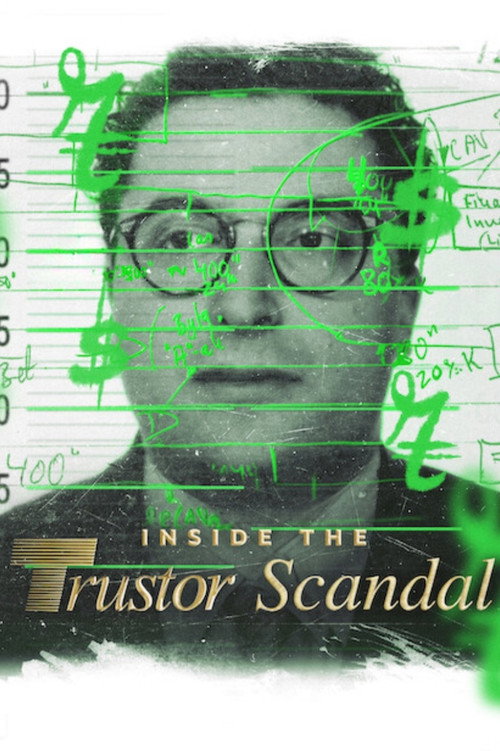
About Inside the Trustor Scandal
- Platform: Netflix
- Release Date:
- IMDb Rating: 6/10
- Genres: Documentary, Crime
For the first time since 1997, Joachim Posener finally emerges from hiding and allows himself to be interviewed about his life and the Trustor affair. Twenty-seven years ago, he disappeared without a trace, and ever since, he has been on the international most wanted list. Now, Karin af Klintberg searches for him to find out how he lives and where he's been hiding all these years. But perhaps above all, to uncover what everyone is wondering: Was he guilty? Through new and opposing testimonies from never-before-heard voices, Karin simultaneously continues the search for the truth about the coup. How could five people swindle 600 million kr and still go free? And where did the money actually go?
WatchThisFlix Review
By WatchThisFlix Editorial Team
## The Setup "Inside the Trustor Scandal" dives headfirst into a quarter-century-old enigma that has captivated Sweden: the audacious 1997 Trustor coup. At its heart is Joachim Posener, a man whose name became synonymous with the country's most wanted list after he vanished following the alleged swindling of 600 million Swedish kronor. This Netflix documentary, directed by Karin af Klintberg, purports to offer unprecedented access, with Posener himself emerging from decades of hiding to finally tell his side of the story. The premise is simple yet tantalizing: after 27 years, we finally get to hear from the man at the center of the storm. Klintberg’s quest isn't just about finding Posener; it’s about piecing together the truth of how five individuals seemingly pulled off an elaborate financial heist and, for the most part, evaded justice. It’s a deep dive into the mechanics of the fraud, the missing millions, and the enduring question of Posener’s guilt or innocence. For anyone even vaguely familiar with European true crime or financial scandals, the setup alone is enough to pique interest.
## What Works Karin af Klintberg's relentless pursuit of Posener is undoubtedly the documentary's strongest asset. Her dogged determination to track him down, combined with the sheer audacity of securing an interview with a man who has been a ghost for nearly three decades, forms the spine of the film. When Posener finally appears on screen, it's a moment of genuine cinematic tension. He's an enigmatic figure, charming yet cagey, and the dynamic between him and Klintberg is fascinating to watch. She’s not afraid to push back, to question his narrative, and to challenge his carefully constructed persona. This isn't a fawning interview; it's a journalistic interrogation, and that adversarial but respectful tone elevates the film beyond a mere recounting of events.
The documentary excels in its ability to humanize what could easily be a dry financial crime. While the numbers are staggering, Klintberg ensures we understand the impact on the victims – the pensioners, the small investors – whose lives were irrevocably altered. This is achieved not just through archival footage but through new testimonies from individuals who, for the first time, are willing to speak openly. These voices add a crucial emotional weight, transforming the abstract concept of "600 million kronor" into tangible losses and broken trusts.
Furthermore, the film does a commendable job of laying out the intricate details of the fraud without overwhelming the viewer. The use of graphics and clear explanations helps to demystify the complex financial maneuvers. It’s a delicate balance, and Klintberg mostly nails it, ensuring that even those unfamiliar with the specifics of corporate finance can follow the money trail. The pacing is deliberate, building suspense as Klintberg closes in on Posener, and then shifting gears to explore the broader implications of the scandal. The archival footage is well-integrated, providing essential historical context and a vivid snapshot of Sweden in the late 90s, adding to the period authenticity.
Perhaps what works best is the film’s commitment to exploring multiple perspectives. It doesn't just present Posener's version of events; it actively seeks out and presents opposing viewpoints, creating a nuanced and often contradictory tapestry of truth. This approach forces the viewer to engage critically, to weigh the evidence, and to form their own conclusions rather than being spoon-fed a definitive answer. The documentary respects the audience's intelligence, trusting them to navigate the ambiguities of a story where facts are often elusive and memories can be self-serving.
## What Doesn't While the film's pursuit of Posener is compelling, the ultimate reveal of his whereabouts and lifestyle feels a tad anticlimactic. After all the build-up, his current circumstances, while interesting, don't quite provide the earth-shattering insight one might hope for after decades of mystery. The documentary promises to uncover "where he's been hiding all these years," but the answer, when it comes, is less dramatic than the journey to get there. There’s a sense that the film pulls back from truly digging into the gritty details of his life on the run, perhaps due to legal constraints or Posener's own boundaries.
Another slight drawback is that, despite the promise of new and opposing testimonies, some of the key questions remain frustratingly unanswered. The core query—"where did the money actually go?"—is never definitively resolved. While the film provides theories and points fingers, a concrete, satisfying explanation of the missing millions eludes the narrative. This might be an inherent limitation of the case itself, but it leaves a lingering sense of incompleteness. We get closer to understanding the *how* of the fraud, but the *where* of the proceeds remains murky.
Furthermore, while Posener is undeniably a captivating subject, his interview, at times, feels carefully curated. He is a master of deflection, and while Klintberg challenges him, there are moments where his evasiveness feels like it could have been pressed harder. The film makes a strong case for the ambiguity of his guilt, but it occasionally leans a bit too heavily into his charisma, allowing him to control the narrative more than a truly unbiased investigation might. The overall impression is that while we get *his* story, the definitive, objective truth remains just out of reach.
## Who Is This For? This documentary is a must-watch for true crime aficionados, especially those with an interest in financial fraud and white-collar crime. If you enjoy intricate narratives about deception, power, and the pursuit of justice, this will scratch that itch. Viewers who appreciate investigative journalism that grapples with moral ambiguity and doesn't offer easy answers will find it particularly engaging. It's also ideal for anyone fascinated by human psychology – specifically, the mind of an alleged swindler and the lengths people go to escape accountability. Watch it if you're in the mood for a thought-provoking, slow-burn mystery that unpacks a slice of recent history. It's best viewed when you can give it your full attention, as the details are important, and the nuances of the interviews are key to understanding the full picture. Expect to be left with questions, not just answers, and to ponder the nature of truth itself.
## Final Verdict "Inside the Trustor Scandal" is a genuinely compelling and expertly crafted true-crime documentary that, despite a few lingering ambiguities, delivers a fascinating look into one of Sweden's most infamous financial mysteries. Klintberg's unwavering pursuit of Joachim Posener and the subsequent, long-awaited interview make this a significant entry in the genre. While it doesn't tie up every loose end, it offers unparalleled access and a nuanced perspective, making it an essential watch for anyone intrigued by the darker side of finance and the elusive nature of justice. Watch it tonight; it's a testament to persistent journalism and a riveting exploration of a man who truly got away with it—or did he?
More Reviews & Recommendations
Discover what else is worth watching this weekend. WatchThisFlix covers the best new releases across Netflix, Amazon Prime Video, Disney+, Max (HBO), Apple TV+, Hulu, and more.