Our Take on Four Hands, Two Sonatas — A Symphony of Rivalry and Resonance
Netflix's 'Four Hands, Two Sonatas' isn't just another high school drama; it's a meticulously crafted exploration of ambition, class, and the universal language of music. Prepare for a deeply moving, sometimes heart-wrenching, journey.
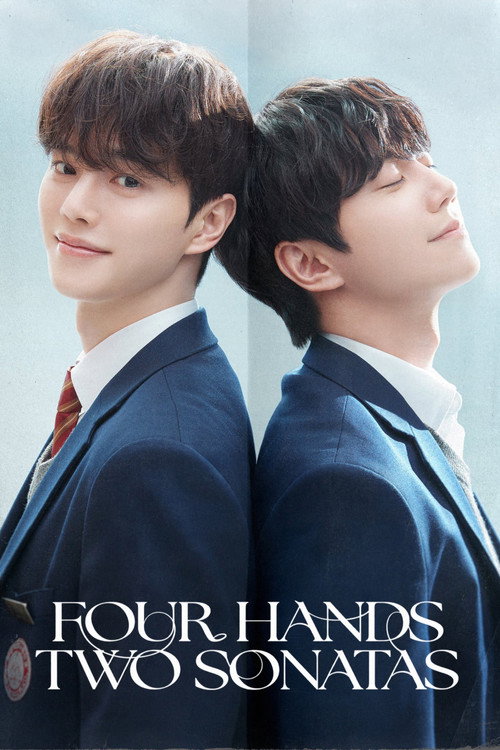
About Four Hands, Two Sonatas
- Platform: Netflix
- Release Date:
- IMDb Rating: 9.6/10
- Genres: Drama
When two young pianists from completely different worlds meet at an elite music high school, the melodies of their lives become intimately intertwined.
WatchThisFlix Review
By WatchThisFlix Editorial Team
## The Setup
'Four Hands, Two Sonatas' drops us into the high-stakes, hyper-competitive world of the prestigious Hanbit Academy of Arts, a hothouse for South Korea's most promising young musicians. The series centers on two piano prodigies, each carrying the weight of vastly different worlds. First, there's Lee Ji-hoon, a quiet, almost ethereal talent whose family struggles financially, making his scholarship to Hanbit both a lifeline and an immense pressure. His playing, while technically brilliant, is imbued with a raw, almost melancholic emotion born from his lived experiences. Then we have Kang Min-jun, the scion of a powerful chaebol family, whose path to musical greatness seems paved with gold. Min-jun’s playing is precise, powerful, almost intimidatingly perfect, reflecting the rigorous discipline and expectation of his elite upbringing. When these two seemingly disparate individuals are forced to share a practice room, their initial friction quickly evolves into a complex tapestry of rivalry, reluctant respect, and an undeniable, almost magnetic, musical connection. The show isn't just about who can play the fastest arpeggio or interpret a Chopin nocturne with the most flair; it delves deep into the sacrifices made for art, the class divides that permeate even the most 'meritocratic' institutions, and the profound ways music can both separate and unite souls.
## What Works
From the very first frame, 'Four Hands, Two Sonatas' establishes a mastery of atmosphere and character that few dramas achieve. The cinematography, particularly during the piano performances, is nothing short of breathtaking. We don't just hear the music; we see the sweat, the tension in Ji-hoon's brow, the almost defiant power in Min-jun's hands, the subtle interplay of light and shadow on the keys. It elevates the musical sequences beyond mere performance into visceral, emotional experiences. The sound design, too, deserves a standing ovation; the clarity and richness of the piano pieces make you feel like you're in the concert hall.
The writing is extraordinarily nuanced. The dialogue is sharp, intelligent, and often laced with subtext, allowing the characters' unspoken desires and fears to resonate. The series expertly avoids simplistic 'rich kid vs. poor kid' tropes. While the class divide is a central theme, both Ji-hoon and Min-jun are given complex inner lives. Min-jun, for instance, isn't just a spoiled antagonist; his perfectionism stems from a crushing family legacy and a desperate need for his cold father's approval. His moments of vulnerability, like when he quietly watches Ji-hoon practice a difficult passage, are incredibly impactful. Ji-hoon's journey, too, is never romanticized; his poverty is a constant, grinding burden, and his talent, while a gift, is also a source of immense stress and isolation.
The performances by the two lead actors are simply phenomenal. The actor playing Ji-hoon conveys so much with just a glance or a subtle shift in posture; his internal struggles are palpable. The actor portraying Min-jun manages to infuse an outwardly arrogant character with a deep, almost tragic vulnerability, making him surprisingly sympathetic. Their on-screen chemistry, whether sparring or collaborating, is electric. A standout moment is in episode 5, during their first forced duet rehearsal. The initial discord, the subtle glances, the gradual synchronization, and the final, almost transcendent harmony — it's a masterclass in non-verbal storytelling that perfectly encapsulates their developing relationship. The supporting cast, particularly Ji-hoon's struggling mother and Min-jun's demanding father, also deliver powerful, understated performances that flesh out the world and raise the emotional stakes considerably. The pacing is deliberate, allowing scenes to breathe and emotions to simmer, which only heightens the impact of the more dramatic climaxes.
## What Doesn't
While 'Four Hands, Two Sonatas' is largely exceptional, it isn't without a few minor missteps. The sheer intensity of the drama, while often captivating, occasionally veers into slightly melodramatic territory, particularly in the later episodes when the stakes are at their highest. There are a couple of instances where a dramatic reveal feels just a touch too convenient or telegraphed, pulling you out of the otherwise organic flow of the narrative. For example, a subplot involving a rival student's sabotage feels a little cliché compared to the more sophisticated character conflicts.
Additionally, while the series does an admirable job of exploring the pressures on both leads, some of the secondary characters, particularly the other students at Hanbit, don't receive the same depth. They often serve more as plot devices or foils rather than fully realized individuals, which is a missed opportunity given the rich environment. A few of the romantic subplots, while not entirely unwelcome, sometimes feel a little underbaked or rushed, detracting slightly from the central focus on the two pianists' rivalry and unique bond. It's a minor quibble, but in a show that otherwise demonstrates such meticulous character development, these areas stand out as slightly less polished.
## Who Is This For?
This series is an absolute must-watch for anyone who appreciates character-driven dramas with a strong emotional core. If you've enjoyed shows like 'The Queen's Gambit' for its deep dive into a niche competitive world, or 'Vincenzo' for its sharp social commentary wrapped in compelling storytelling, you'll find a lot to love here. It's perfect for viewers who don't shy away from complex themes of class struggle, ambition, and the often-brutal pursuit of artistic excellence. You should be prepared for a show that will make you feel deeply — moments of profound sadness, thrilling triumph, and quiet contemplation are woven throughout. It’s ideal for a cozy weekend binge, perhaps with a cup of tea, allowing yourself to be fully immersed in its rich world and stunning musicality. If you're looking for lighthearted escapism, this isn't it; but if you crave substance, artistry, and a story that lingers long after the final note, tune in.
## Final Verdict
'Four Hands, Two Sonatas' is a masterclass in emotional storytelling and artistic execution, pushing the boundaries of what a high school drama can achieve. Despite a few minor narrative conveniences, its breathtaking performances, profound thematic depth, and stunning musical sequences make it an unforgettable viewing experience. This isn't just a show about piano; it's a profound exploration of human connection, societal pressures, and the universal language of art. Watch it tonight. You won't regret a single note.
More Reviews & Recommendations
Discover what else is worth watching this weekend. WatchThisFlix covers the best new releases across Netflix, Amazon Prime Video, Disney+, Max (HBO), Apple TV+, Hulu, and more.