Our Take on Chompoo: Lost & Forgotten — Media Frenzy, Moral Maze
Netflix's 'Chompoo' plunges into a chilling true crime, but it's not just about a missing girl. It's a searing indictment of how media shapes truth, and how quickly public sentiment can turn a tragedy into a spectacle.
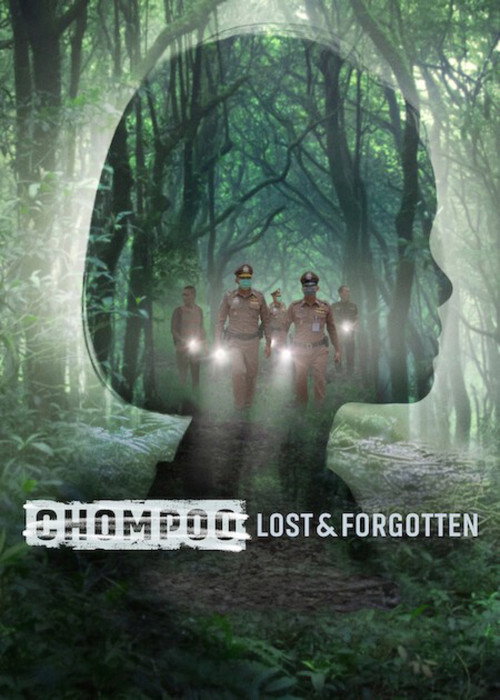
About Chompoo: Lost & Forgotten
- Platform: Netflix
- Release Date:
- IMDb Rating: 6.5/10
- Genres: Documentary
When a young girl vanishes from a remote village, the frantic police hunt become a media frenzy. But who turned a suspected criminal into a celebrity?
WatchThisFlix Review
By WatchThisFlix Editorial Team
## The Setup
*Chompoo: Lost & Forgotten* isn't your typical missing person documentary. While it centers on the disappearance of a young girl, Chompoo, from a remote Thai village, its true focus quickly pivots. The initial police hunt, fraught with the challenges of a close-knit, isolated community and limited resources, rapidly escalates into a national sensation. This 1-hour and 25-minute Netflix offering, directed with a keen eye for the insidious creep of sensationalism, chronicles not just the search for Chompoo, but the parallel, and arguably more disturbing, transformation of a suspect into a celebrity. It's a deep dive into the machinery of modern media, examining how a story, once picked up by hungry news cycles and amplified by social media, can distort facts, inflame passions, and ultimately, overshadow the very human tragedy it purports to cover. The film asks unsettling questions about culpability, not just for the crime itself, but for the circus that surrounds it.
The documentary wisely refrains from revealing too much too soon, allowing the narrative to unfold organically, mirroring the real-time confusion and speculation that gripped the nation. We're introduced to the tranquil, almost idyllic setting of the village, a stark contrast to the chaos that soon engulfs it. The early interviews with family members and local law enforcement paint a picture of genuine distress and a desperate search. However, as the cameras multiply and the talking heads proliferate, the film skillfully shifts its gaze from the victim to the spectacle, laying bare the uncomfortable truth that sometimes, the story becomes bigger than the lives it impacts.
## What Works
What *Chompoo: Lost & Forgotten* does exceptionally well is its unflinching examination of media ethics (or lack thereof). The documentary doesn't just show the media circus; it dissects it. We see clips of news anchors breathlessly reporting every rumor, social media influencers offering their uninformed theories, and the public's insatiable appetite for drama. The film's editing is particularly effective in juxtaposing the raw grief of Chompoo's family with the almost theatrical performances of those capitalizing on the tragedy. One particularly powerful sequence shows a local reporter, initially appearing empathetic, slowly morph into a more aggressive, almost predatory figure as the story gains traction. It's a subtle but devastating portrayal of how the pursuit of a scoop can override journalistic integrity.
The film's central figure, the unnamed suspect, becomes a fascinating and tragic case study. The documentary doesn't shy away from presenting the complexities of public perception. Initially, the suspect is demonized, a figure of scorn. But as the media narrative twists and turns, fueled by a craving for novelty and controversy, we witness a bizarre shift. The suspect, a seemingly ordinary individual, is thrust into an uncomfortable limelight, becoming a reluctant public figure. The film masterfully uses archival footage of talk shows, online comments, and even merchandise featuring the suspect's likeness to illustrate this disturbing phenomenon. It's a chilling reminder of how quickly a suspected criminal can be transformed into a celebrity, not for any inherent talent or achievement, but purely by the relentless churn of the news cycle. The director's choice to include interviews with media experts and psychologists provides crucial context, helping the audience understand the broader societal implications of such a frenzy.
The pacing is another strong suit. At just 85 minutes, the film is taut and focused, never overstaying its welcome. It moves efficiently from the initial disappearance to the escalating media storm, maintaining a sense of urgency without resorting to cheap sensationalism. The cinematography, while not overtly flashy, is effective in capturing the mood – from the quiet despair of the village to the bright, almost garish lights of the television studios. The interviews are candid and revealing, offering diverse perspectives from law enforcement, family members, legal experts, and even a few of the media personalities involved, though some are more self-aware than others.
## What Doesn't
While *Chompoo: Lost & Forgotten* excels in its critique of media sensationalism, it sometimes feels like the victim, Chompoo, gets somewhat lost in the narrative. This is, of course, a deliberate choice by the filmmakers to highlight the very point they're making – how the original tragedy can be overshadowed. However, at times, I found myself wishing for a deeper emotional connection to Chompoo herself, beyond the initial setup. The film is so focused on the 'who turned a suspected criminal into a celebrity?' question that the 'lost and forgotten' aspect of Chompoo sometimes feels more like a thematic device than a lived reality for the audience. A few more poignant moments dedicated to her memory or the ongoing impact on her immediate family, beyond their initial grief, might have added an even greater emotional punch to the film's powerful message.
Another minor quibble is that while the film presents a compelling case against media exploitation, it occasionally verges on feeling a little preachy in its later stages. The arguments are sound, but the repeated hammering of the same point, while valid, could have been slightly more nuanced in its delivery. Some of the media personalities interviewed, particularly those who seem to lack self-reflection, are presented almost as caricatures, which, while perhaps accurate to their real-life personas, could have been explored with a touch more subtlety to avoid feeling like an outright condemnation rather than an analytical exposé. The film also leaves a few threads dangling regarding the ultimate resolution of the legal proceedings, which, while perhaps intentional to highlight the ambiguity of justice in such cases, might frustrate some viewers looking for more closure.
## Who Is This For?
This documentary is absolutely for anyone who is fascinated by true crime, but with a critical eye. If you're tired of true crime narratives that simply recount events and want to delve into the *why* and *how* a story becomes what it is, this is for you. It's ideal for viewers who appreciate thoughtful social commentary, those interested in media studies, journalism ethics, and the psychology of public opinion. If you enjoyed documentaries like *The Jinx* or *Making a Murderer* but wished they also dissected the role of the press in shaping the narrative, *Chompoo* will resonate deeply. It's a film for those who enjoy being provoked into thinking about the information they consume and the narratives they're fed. Watch it when you're in the mood for something intellectually stimulating, a bit unsettling, and highly relevant to our hyper-connected world. Expect to feel a mix of frustration, sadness, and perhaps a renewed sense of skepticism towards breaking news.
## Final Verdict
*Chompoo: Lost & Forgotten* is a vital, timely documentary that transcends the typical true crime genre to deliver a scathing, intelligent critique of media culture. While it occasionally sacrifices emotional depth for thematic clarity, its examination of how a tragedy can be warped into a grotesque spectacle is both compelling and deeply disturbing. It's a must-watch for anyone who consumes news in the digital age and wants to understand the unseen forces at play. Don't expect a straightforward whodunit; expect a powerful, uncomfortable mirror held up to society's insatiable appetite for drama and its devastating consequences. Watch it tonight, but be prepared to question everything you see on the news tomorrow.
More Reviews & Recommendations
Discover what else is worth watching this weekend. WatchThisFlix covers the best new releases across Netflix, Amazon Prime Video, Disney+, Max (HBO), Apple TV+, Hulu, and more.