Our Take on After Moving Seats, The Boy Behind Me Has A Crush On Me — A Sweet, Familiar High School Romance
Seating chart changes rarely spark genuine romance, but 'After Moving Seats, The Boy Behind Me Has A Crush On Me' aims to prove otherwise. This 2026 drama explores the unexpected connection between a quiet student and the school's most popular boy.
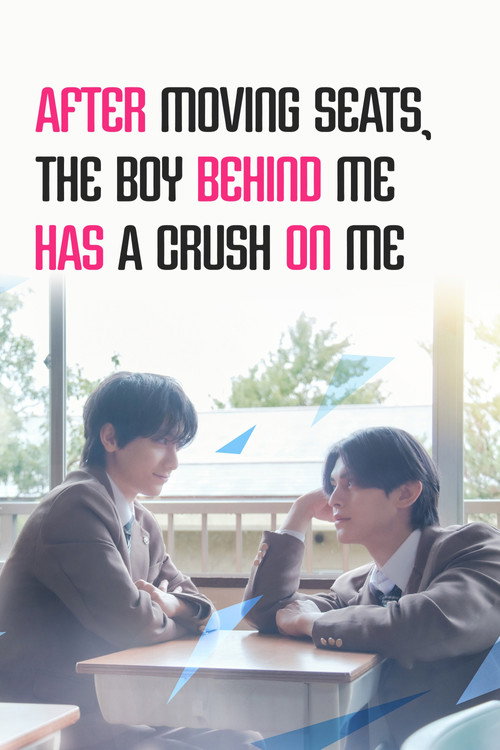
About After Moving Seats, The Boy Behind Me Has A Crush On Me
- Platform: other
- Release Date:
- Genres: Drama
A simple seating change sparks an unlikely romance when the most popular boy in school confesses to his quiet classmate.
WatchThisFlix Review
By WatchThisFlix Editorial Team
## The Setup In the ever-evolving landscape of high school dramas, *After Moving Seats, The Boy Behind Me Has A Crush On Me* (2026) carves out a familiar, yet often comforting, niche. The series centers around a seemingly innocuous event: a routine classroom seating rearrangement. Our protagonist, Hana, is a quiet, unassuming student, perfectly content to blend into the background. Her world, largely defined by her textbooks and her close-knit, equally understated group of friends, is abruptly upended when she's assigned a new seat. And who happens to land directly behind her? None other than Ren, the undisputed king of their high school – charismatic, effortlessly popular, and seemingly out of Hana's league. The premise is simple, almost archetypal: a popular boy develops an unexpected interest in the 'invisible' girl. But the series doesn't just rest on this trope; it aims to explore the nuances of first love, social anxieties, and the courage it takes to step outside one's comfort zone, all set against the backdrop of a bustling, rumor-filled high school. We follow Hana as she navigates Ren's sudden, intense attention, grappling with her own insecurities and the inevitable scrutiny from their peers, particularly Ren's established fan club and his long-time female friend, Akari, who clearly harbors feelings for him. The world of *After Moving Seats* is one of hushed hallway conversations, awkward cafeteria encounters, and the intense emotional swings that define adolescence, all viewed through Hana's often overwhelmed perspective.
## What Works Where *After Moving Seats* truly shines is in its earnest portrayal of adolescent vulnerability and the slow burn of genuine connection. The series wisely avoids rushing the central romance, instead allowing Ren's feelings for Hana to develop organically, rather than as an immediate, inexplicable infatuation. We see Ren's initial curiosity evolve into genuine admiration through small, meaningful gestures: a shared glance during a lecture, a quiet moment after school, his subtle protection of Hana from the more aggressive students. Actor Kaito Ishikawa, as Ren, manages to imbue the 'popular boy' archetype with a surprising depth. He's not just charming; he's observant, patient, and subtly persistent without being overbearing. His performance truly sells the idea that someone like Ren would be drawn to Hana's quiet strength and authenticity. A particularly standout moment is in episode four, when Ren, noticing Hana's discomfort during a group project presentation, subtly steps in to deflect a classmate's rude comment, not with a grand gesture, but with a simple, pointed remark that shifts the group's attention. It's a small act, but it speaks volumes about his character and his growing affection. Hana, played by Akari Hayami, is equally compelling. Her shyness never feels like a plot device; it feels like a genuine aspect of her personality. Her internal monologues, often delivered through voiceovers, are raw and relatable, perfectly capturing the anxiety and confusion of being suddenly thrust into the spotlight. The chemistry between Ishikawa and Hayami is understated but palpable, built on stolen glances and hesitant smiles rather than dramatic pronouncements. The series also excels in its visual storytelling. The cinematography often uses soft lighting and shallow focus to create an intimate, almost dreamlike atmosphere, particularly during scenes between Hana and Ren. The school hallways, often bustling, become quiet, almost sacred spaces when they share a moment. The pacing, while deliberate, allows the emotional beats to land effectively, giving the audience time to invest in the characters' journeys. Furthermore, the exploration of friendship dynamics, particularly between Hana and her friends, adds another layer of authenticity. Their reactions – a mix of protective concern, playful teasing, and genuine excitement for Hana – feel true to life, grounding the more fantastical elements of the 'popular boy' romance.
## What Doesn't While *After Moving Seats* has many strengths, it isn't without its weaknesses. The most significant issue lies in its occasional reliance on well-worn high school drama tropes, which, at times, can make the narrative feel predictable. The 'jealous rival' character, Akari, Ren's childhood friend who clearly holds a torch for him, feels somewhat underdeveloped. Her motivations often swing between genuine concern for Ren and petty jealousy towards Hana, without a clear, consistent emotional arc. Her actions, particularly in the mid-season episodes, sometimes feel less like a nuanced character struggle and more like a convenient plot device to create conflict. This prevents her from being a truly compelling antagonist or even a sympathetic figure, often reducing her to a one-dimensional obstacle. Additionally, the pacing, while generally effective, occasionally veers into sluggishness, particularly during the middle third of the season. There are several episodes where the central conflict feels artificially stretched, relying on misunderstandings that could easily be resolved with a single, honest conversation. While this is a common pitfall in romance dramas, here it sometimes feels less like building tension and more like delaying the inevitable, causing some viewers to potentially disengage. The supporting cast, outside of Hana's immediate friend group, also tends to be rather thin. Many of Ren's 'popular' friends are largely indistinguishable, serving primarily as background noise or as amplifiers for rumors, rather than contributing meaningful subplots or character development. This can make the broader high school environment feel less rich and dynamic than it could be, leaving the focus almost exclusively on the central trio and Hana's friends. Finally, while the ending provides a satisfying resolution for the main couple, some of the secondary character arcs, particularly Akari's, feel somewhat rushed or incomplete, leaving a few lingering questions about their ultimate fates.
## Who Is This For? This series is tailor-made for viewers who adore classic, heartwarming high school romance dramas, particularly those with a focus on character development and emotional depth over high-stakes drama. If you find comfort in the 'quiet girl meets popular boy' trope but appreciate a nuanced, unhurried execution, then this is definitely for you. Fans of Japanese high school dramas and shojo manga adaptations will find a lot to love here, as it expertly captures that specific blend of innocence, longing, and social navigation. It's perfect for a cozy night in, when you're in the mood for something sweet, a little angsty, and ultimately uplifting. Expect to feel a gentle tug at your heartstrings, a few moments of frustration at adolescent misunderstandings, and a genuine sense of satisfaction as the characters grow. Watch it if you're looking for a dose of nostalgia for first crushes, or simply a well-crafted story about finding confidence and connection in unexpected places. It's best enjoyed with a warm drink and a willingness to immerse yourself in the emotional world of its young protagonists.
## Final Verdict *After Moving Seats, The Boy Behind Me Has A Crush On Me* might tread familiar ground, but it does so with a sincerity and emotional resonance that elevates it above mere cliché. While it occasionally stumbles with predictable tropes and a slightly uneven pace, its strong central performances, genuine chemistry, and commitment to portraying the delicate dance of first love make it an undeniably charming watch. Despite its minor flaws, the series delivers a genuinely sweet and satisfying romance that will leave you rooting for Hana and Ren until the very end. It's a heartfelt journey worth taking, especially if you're a fan of understated, character-driven love stories. Watch it tonight for a comforting dose of high school romance done right.
More Reviews & Recommendations
Discover what else is worth watching this weekend. WatchThisFlix covers the best new releases across Netflix, Amazon Prime Video, Disney+, Max (HBO), Apple TV+, Hulu, and more.