Why You Need to Watch 'Dukan' Right Now: A Raw, Unforgettable Drama
Forget everything you think you know about dramas set in red-light districts. Dukan isn't just a film; it's a visceral, deeply human experience that challenges assumptions and lingers long after the credits roll. Prepare to be moved, provoked, and utterly engrossed.
— By WatchThisFlix Editorial Team
The Hook: Why This One Is Different
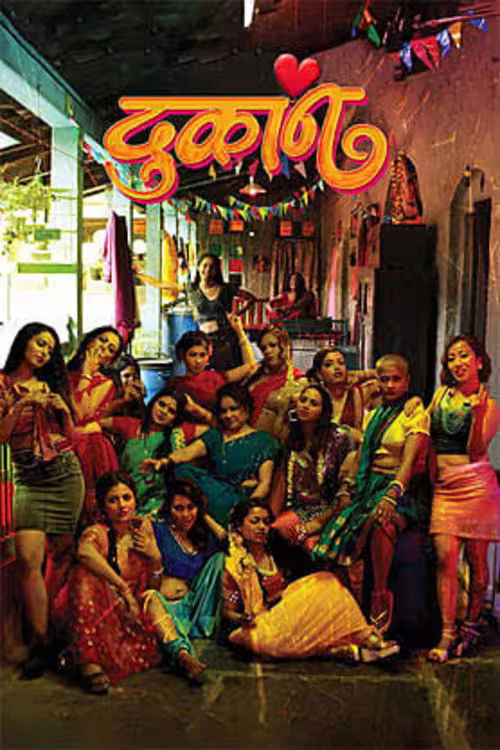
Imagine a bustling, neon-drenched alleyway, the air thick with the cacophony of life and the scent of street food. Now, picture a group of individuals — hardened sex workers, a weary pimp, and a well-meaning social work student — standing around a deceased, elderly woman. Their dilemma isn't about grief, not initially. It's about a bizarre, almost darkly comedic logistical nightmare: how do you perform the last rites for someone whose caste and religion are utterly unknown in a society obsessed with such distinctions? This isn't a scene from a typical, exploitative exposé of a red-light district. This is Dukan, and from its opening moments, it signals that it's going to subvert every expectation you have about a drama touching on such sensitive subjects. It’s not just about the harsh realities; it’s about the absurd, the bureaucratic, and the profoundly human struggle to find dignity in death when life offered so little of it.
What It's Actually About (No Spoilers)
Dukan, at its core, is a profound meditation on identity, community, and the often-invisible lines that divide us, even in death. The official synopsis hints at a social work student, Pooja, entering Kamathipura for her research, only to become entangled in the predicament of an unknown deceased sex worker. But that's merely the catalyst. What the film is actually about is the intricate, often contradictory, social fabric of a marginalized community. It’s about the unwritten rules, the surprising pockets of compassion, and the deep-seated prejudices that persist even among those who are themselves ostracized. The 'unknown' aspect of the deceased woman's identity isn't just a plot device; it's a powerful metaphor for how society, even after death, struggles to grant full humanity to those it has deemed 'other.' The film peels back layers of societal judgment, revealing not just the harsh realities of sex work, but the complex internal politics and the surprising bonds that form in the crucible of shared adversity. It’s a story of a community grappling with its own moral compass, forced to confront its biases when faced with the ultimate equalizer: death. It explores what it means to belong, or not to belong, and how those distinctions can follow you even into the afterlife.
The Performances
The ensemble cast of Dukan is nothing short of phenomenal, but two performances stand out, anchoring the film with raw authenticity. The actor portraying the pimp, whose name I won't reveal to avoid spoilers, delivers a masterclass in nuanced villainy. He isn't a cartoonish monster; he's a man hardened by his environment, driven by pragmatism, yet occasionally betraying flashes of a surprising, almost paternal concern. There’s a scene where he’s haggling over the cost of the funeral rites, his face a mask of exasperation, but in his eyes, you catch a flicker of genuine distress – not for the woman, perhaps, but for the disruption and the moral quandary she represents. It’s a performance that forces you to confront the complexities of human nature, refusing easy categorization. Equally compelling is the actress playing one of the older sex workers, a woman whose world-weariness is etched onto her face, yet whose spirit remains defiantly intact. Her monologues, delivered with a quiet resignation and occasional bursts of fiery indignation, are heartbreakingly real. She speaks of lives lived on the fringes, of identities stripped away, and of the desperate need for some semblance of respect, even if it's only in death. Her portrayal isn't just about showing suffering; it's about revealing resilience, a dark humor, and an unshakeable sense of self forged in the hardest of fires. These aren't just actors; they are conduits for stories that demand to be heard.
The Direction and Craft
Dukan is a triumph of understated craft, where every technical decision serves the narrative's gritty realism. The direction is unflinching, never shying away from the harsh realities of Kamathipura, yet always maintaining a respectful distance, avoiding exploitation. The cinematography is particularly noteworthy. It bathes the narrow lanes and cramped rooms in a palette of muted golds and deep shadows, creating an atmosphere that feels both vibrant and claustrophobic. The camera often lingers, observing rather than judging, allowing the audience to absorb the visual details of this unique world. There are no flashy tracking shots or overly stylized sequences; instead, the camera work is intimate and observational, drawing you into the characters' immediate experiences. The editing pace is deliberate, allowing scenes to breathe and emotions to fully register. This isn't a film that rushes its story; it lets the tension build organically, letting the weight of the characters' dilemma settle on the viewer. The score, often sparse and melancholic, never overpowers the dialogue or the natural sounds of the environment. Instead, it subtly underscores the emotional beats, adding a layer of poignant reflection without resorting to melodrama. It’s a film that understands the power of silence and the impact of a well-placed, haunting melody. This is filmmaking that trusts its audience to engage with its themes without being spoon-fed.
The Themes Worth Talking About
Dukan is rich with themes that resonate long after the credits roll, making it far more than just a compelling drama. Foremost among them is the pervasive nature of social hierarchy and caste even in the most marginalized communities. The central dilemma – the inability to perform last rites due to an unknown caste/religion – exposes a deep-seated societal pathology. It forces us to confront how these divisions, seemingly arbitrary, dictate dignity and belonging, even in death. It's a stark reminder that even those cast out by mainstream society can replicate its exclusionary practices. Beyond that, the film is a powerful exploration of community and chosen family. In a world where biological families have often abandoned them, these sex workers have forged their own intricate, often contentious, support system. The struggle to honor the deceased woman becomes a shared burden, highlighting the surprising solidarity that can emerge from shared struggle. The concept of identity itself is deeply interrogated. Who was this woman? Does her past, her origins, truly matter more than her humanity in death? Dukan challenges us to look beyond labels and recognize the inherent dignity in every life, regardless of how it was lived. It’s a film that sparks conversations about prejudice, empathy, and the universal human need for a respectful end.
Who Will Love It (and Who Might Not)
If you are a cinephile who craves thought-provoking, socially conscious cinema that doesn't shy away from uncomfortable truths, Dukan is absolutely for you. Fans of realistic, character-driven dramas with a strong sense of place will find themselves completely engrossed. If you appreciated films like 'Gangs of Wasseypur' for their raw authenticity and complex moral landscapes, or 'Manto' for its unflinching look at societal fringes, Dukan will resonate deeply. It's perfect for those who enjoy exploring the nuances of human behavior under duress and are willing to sit with difficult questions. However, Dukan is not for the faint of heart or those seeking light entertainment. If you prefer escapist fantasies, high-octane thrillers, or saccharine romances, this might not be your cup of tea. Its slow-burn pace and thematic intensity could be off-putting for viewers who require constant action or clear-cut heroes and villains. It deals with mature themes and portrays a gritty reality, so if you're sensitive to depictions of poverty, exploitation, and the harsh realities of life on the margins, approach with caution. It demands your attention and your emotional investment.
Addressing the Doubters
Some might hesitate, thinking, 'Oh, another grim drama about a red-light district.' And yes, the setting and premise might initially suggest a familiar narrative of victimhood and despair. But Dukan deftly sidesteps these tropes. It's not a poverty porn exposé, nor is it a melodramatic tearjerker. Instead, it’s a nuanced character study that explores the resilience, agency, and complex humanity of its subjects. It doesn't sensationalize their suffering; it humanizes their struggle. Others might worry about the language barrier or cultural specifics. While rooted in a particular Indian context, the film's core themes of identity, belonging, and the search for dignity are universal. The emotional beats and societal critiques transcend cultural boundaries, making it accessible to any viewer willing to engage with its depth. The 'drama' label might also lead some to expect a conventional narrative arc with clear resolutions. Dukan offers something more profound: a slice of life, a snapshot of a community grappling with an impossible situation, leaving you with questions rather than easy answers. It's precisely this ambiguity and refusal to conform to conventional storytelling that makes it so powerful and memorable. Push past any preconceived notions; this film offers a richness and authenticity rarely found.
Watch It Tonight
In a world saturated with content, Dukan stands out as a singular, essential viewing experience. It's not just a film you watch; it's a film you feel and think about long after the screen goes dark. It challenges your perceptions, broadens your empathy, and forces you to confront uncomfortable truths about society and human nature. This isn't just entertainment; it's an education, a conversation starter, and a profound artistic statement. In an era where so much media is designed to be consumed and forgotten, Dukan demands to be remembered. It's a testament to the power of storytelling to illuminate the unseen and give voice to the unheard. Don't scroll past it. Don't let its niche platform or challenging themes deter you. Seek out Dukan tonight. Immerse yourself in its raw honesty, its compelling performances, and its deeply resonant themes. You won't regret experiencing this unforgettable piece of cinema. It’s a film that reminds us of the shared humanity that binds us all, even in the most unexpected of places, and the enduring search for dignity, even in death.
More from WatchThisFlix
WatchThisFlix is your free guide to the best streaming content this weekend. We curate weekly picks across Netflix, Prime Video, Disney+, Max (HBO), Apple TV+, Hulu, and more — in English, Hindi, Telugu, Tamil, Korean, and other languages.