Why 'Kim Ji-young: Born 1982' Is Essential Viewing Now
Dive into the raw, resonant story of 'Kim Ji-young: Born 1982' on Prime Video. It's more than a film; it's a mirror reflecting societal pressures and the quiet struggles of countless women.
— By WatchThisFlix Editorial Team
The Hook: Why This One Is Different
Imagine a quiet afternoon, a seemingly ordinary woman, Kim Ji-young, in her early thirties, is at home with her infant daughter. She’s talking to her husband, Dae-hyun, about mundane things – maybe dinner, or the baby's next check-up. Then, her voice shifts. It’s no longer hers, but that of her deceased mother-in-law, speaking with an uncanny inflection, offering Dae-hyun a comforting, slightly chiding word. The air thickens with an unspoken dread, a profound sadness. This isn't a supernatural thriller, nor is it a melodramatic fantasy. This is the heart of "Kim Ji-young: Born 1982," a film that dares to peel back the layers of everyday life to reveal the immense, often invisible, burdens carried by women. It’s a moment that jolts you, not because of a jump scare, but because of its deeply unsettling familiarity, its echo of unspoken truths. It signals immediately that this isn't just another drama; it’s an excavation of the soul.
What It's Actually About (No Spoilers)
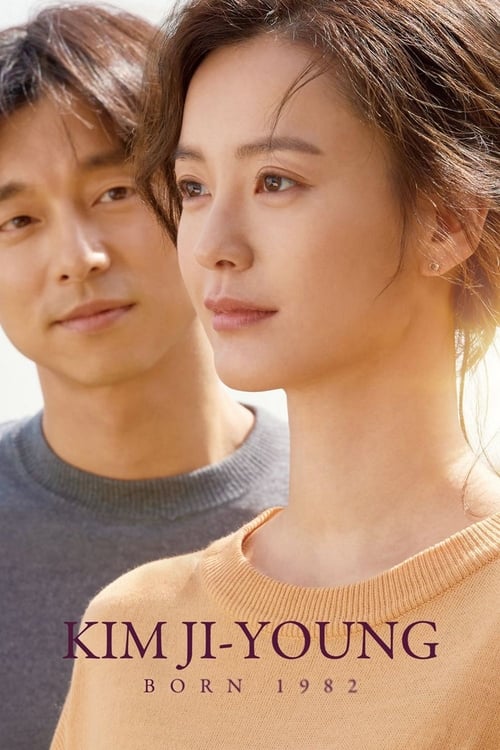
On its surface, "Kim Ji-young: Born 1982" is the story of a young woman experiencing a mysterious dissociative episode. Kim Ji-young, played with astonishing nuance by Jung Yu-mi, begins to sporadically embody the personalities of other women in her life – her mother, her grandmother, a former colleague. Her husband, Dae-hyun (Gong Yoo), struggles to understand, urging her to seek psychiatric help, while remaining largely oblivious to the systemic pressures that have slowly eroded his wife's sense of self. But beneath this central narrative of a woman's breakdown lies a far more expansive and critical examination of modern Korean society, and by extension, many patriarchal cultures worldwide. It’s about the incremental sacrifices, the microaggressions, the casual dismissals, and the deeply ingrained expectations that chip away at a woman's identity from birth. It's about the invisible labor of caregiving, the career sacrifices made for family, the pervasive sexism in the workplace, and the profound loneliness that can accompany motherhood. The film isn't just depicting a woman's psychological struggle; it's illustrating the cumulative weight of a lifetime of being told, implicitly and explicitly, to be less, to want less, to expect less.
The Performances
The emotional core of "Kim Ji-young: Born 1982" rests almost entirely on the shoulders of Jung Yu-mi as Kim Ji-young, and she delivers a performance that is nothing short of breathtaking. Her portrayal is a masterclass in subtlety and suppressed emotion. You see the weariness in her eyes, the slight tremor in her hands, the forced smile that doesn't quite reach her gaze. When she shifts into the personalities of other women, it's not a theatrical transformation; it’s a chillingly accurate embodiment, conveyed through slight changes in posture, vocal tone, and expression that feel utterly authentic and deeply unsettling. Her performance isn't about grand gestures; it’s about the quiet agony of a soul slowly fracturing under societal strain. Gong Yoo, as her husband Dae-hyun, provides a crucial counterpoint. He isn't a villain; he's a man who loves his wife but is blinded by his own privilege and societal conditioning. Gong Yoo expertly navigates this complexity, showing Dae-hyun's genuine concern mixed with a frustrating inability to truly comprehend the depth of Ji-young's pain. There’s a scene where he watches her from a distance, confused and helpless, and his silent anguish speaks volumes. The supporting cast, particularly Kim Mi-kyung as Ji-young's mother, provides powerful anchor points, embodying the resilience and quiet strength passed down through generations of women.
The Direction and Craft
Director Kim Do-young, in her feature debut, handles this delicate and often painful subject matter with remarkable sensitivity and restraint. The cinematography by Lee Sung-jae is understated, often favoring natural light and a slightly desaturated palette that mirrors the mundane, yet emotionally charged, reality of Ji-young's life. There are no flashy camera tricks or overly dramatic flourishes. Instead, the camera often lingers on Ji-young's face, allowing her quiet expressions to convey the turbulent inner world she inhabits. The pacing is deliberate, reflecting the slow, insidious nature of the pressures Ji-young faces. It allows moments of quiet contemplation, letting the emotional weight of each scene sink in. The score, subtle and melancholic, never overwhelms but rather underscores the film's pervasive sense of sadness and longing. Crucially, the film avoids sensationalizing Ji-young's mental health struggles, portraying them with a stark realism that makes her journey all the more impactful. Every technical choice serves the narrative, creating an immersive and deeply empathetic viewing experience.
The Themes Worth Talking About
"Kim Ji-young: Born 1982" is a veritable banquet of themes, each more resonant than the last. At its core, it's a searing indictment of systemic sexism and the patriarchal structures that permeate society. It explores the 'cost' of womanhood – the career setbacks, the lost opportunities, the relentless expectation to prioritize others' needs over one's own. The film brilliantly illustrates the concept of the 'invisible labor' of women, from child-rearing and housework to emotional support, all of which often go unacknowledged and uncompensated. It delves into the insidious nature of microaggressions, those small, seemingly insignificant slights and biases that accumulate over a lifetime to create profound psychological damage. Furthermore, it tackles the immense pressure of motherhood, both the societal expectations placed upon new mothers and the personal sacrifices involved. The film also touches on generational trauma, showing how the struggles of mothers and grandmothers echo through the lives of their daughters. Ultimately, it’s a powerful exploration of identity, agency, and the search for self-worth in a world that often seeks to diminish women.
Who Will Love It (and Who Might Not)
This film is absolutely essential viewing for anyone interested in social commentary, feminist narratives, or character-driven dramas with profound emotional depth. Women, particularly mothers, will likely find it deeply resonant, seeing their own experiences and unspoken struggles reflected on screen. It’s also vital for men who wish to gain a deeper understanding of the challenges women face daily, offering a window into a perspective often overlooked or dismissed. Educators, sociologists, and those in mental health fields will find it a compelling case study. However, it's important to note that "Kim Ji-young: Born 1982" is not an uplifting, feel-good movie. It’s often somber, reflective, and can be emotionally challenging. Viewers looking for escapism, fast-paced action, or clear-cut resolutions might find its deliberate pacing and heavy themes difficult. It demands emotional engagement and a willingness to confront uncomfortable truths.
Addressing the Doubters
Some might dismiss "Kim Ji-young: Born 1982" as 'too depressing' or 'just another feminist screed.' It's true that the film doesn't shy away from depicting pain, but to call it merely depressing is to miss its profound purpose. Its sadness is born of truth, and in that truth lies immense power. It’s not a 'screed' but a nuanced, empathetic portrayal of a widespread human experience. Others might argue that the issues presented are specific to Korean culture. While the film is rooted in a specific cultural context, the underlying themes of gender inequality, invisible labor, and the pressures on women are universal. The specifics might differ, but the emotional core resonates across borders. This isn’t a film that offers easy answers; it provokes thought, encourages empathy, and sparks necessary conversations. Pushing past any initial reluctance to engage with its heavier themes is precisely where its value lies. It’s a film that stays with you, prompting introspection long after the credits roll.
Watch It Tonight
In a world saturated with content designed to distract, to entertain without challenging, "Kim Ji-young: Born 1982" stands out as a vital piece of cinema. It’s a quiet revolution on screen, a film that gives voice to the unspoken, makes visible the invisible, and validates the experiences of countless women. Watching it now, on Prime Video, is more than just an act of consumption; it's an act of empathy, an opportunity for understanding, and a catalyst for conversation. It will make you look at the women in your life – your mothers, sisters, wives, friends, colleagues – with new eyes. It will challenge your assumptions, broaden your perspective, and stir your conscience. Don't scroll past it. Don't relegate it to your 'maybe later' list. Choose to engage with a story that is not only beautifully told but profoundly important. "Kim Ji-young: Born 1982" isn't just a film you watch; it's a film you experience, and it's an experience that will undoubtedly leave its mark. It's a reminder that sometimes, the most powerful stories are found in the quiet struggles of ordinary lives, demanding our attention, our understanding, and ultimately, our action.
More from WatchThisFlix
WatchThisFlix is your free guide to the best streaming content this weekend. We curate weekly picks across Netflix, Prime Video, Disney+, Max (HBO), Apple TV+, Hulu, and more — in English, Hindi, Telugu, Tamil, Korean, and other languages.